
Women face unique oral health challenges throughout their lives. Understanding them is the first step to lasting dental wellness.
3x
More likely to develop gum disease during pregnancy
70%
+50%
1 in 4
Women's oral health is directly shaped by hormonal changes, daily life demands, and social factors — from puberty and pregnancy to menopause and beyond. At Channel Islands Family Dental, we provide specialized, compassionate dental care designed to support women at every stage of life.
Women’s oral health is uniquely influenced by hormonal fluctuations across different life stages — puberty, menstruation, pregnancy, and menopause — each of which can trigger changes in gum tissue sensitivity, bone density, and saliva production. Combined with lifestyle pressures, caregiving roles, and limited access to dental care, these factors make preventive dental attention especially critical for women.
Research confirms that women face specific oral health challenges that differ from those of men. Recognizing these is the first step toward prevention and early treatment.
🦷
Elevated progesterone during pregnancy increases gum inflammation. Up to 70% of pregnant women experience this condition.
🔬
Hormonal shifts make gums more susceptible to bacterial infection. Untreated, it links to heart disease, diabetes, and preterm birth.
Oral health needs shift significantly across a woman’s life. Understanding these windows of vulnerability helps in planning timely dental care.
Rising estrogen and progesterone increase gum blood flow and sensitivity. Menstruation can bring temporary gum swelling and canker sores. Orthodontic treatment is common at this stage, requiring extra oral hygiene attention.
Monthly hormonal cycles affect gum health. Oral contraceptives can increase inflammation. Stress from work and family caregiving drives tooth grinding and neglect of dental appointments.
Pregnancy gingivitis affects up to 70% of women. Research links severe gum disease to premature birth and low birth weight. Morning sickness erodes enamel. Regular dental checkups during pregnancy are safe and recommended by the American Dental Association.
Declining estrogen reduces saliva production, increasing dry mouth, sensitivity, and cavity risk. Burning mouth syndrome is more common in this stage and is closely tied to hormonal shifts.
Bone density loss in the jaw can loosen teeth and compromise dental implants. Gum tissue thins and recedes. Cognitive health and dry mouth from multiple medications further complicate oral care.
Hormonal shifts make gums more susceptible to bacterial infection. Untreated, it links to heart disease, diabetes, and preterm birth.
Explore our library of expert-written guides on the oral health topics that matter most to women.
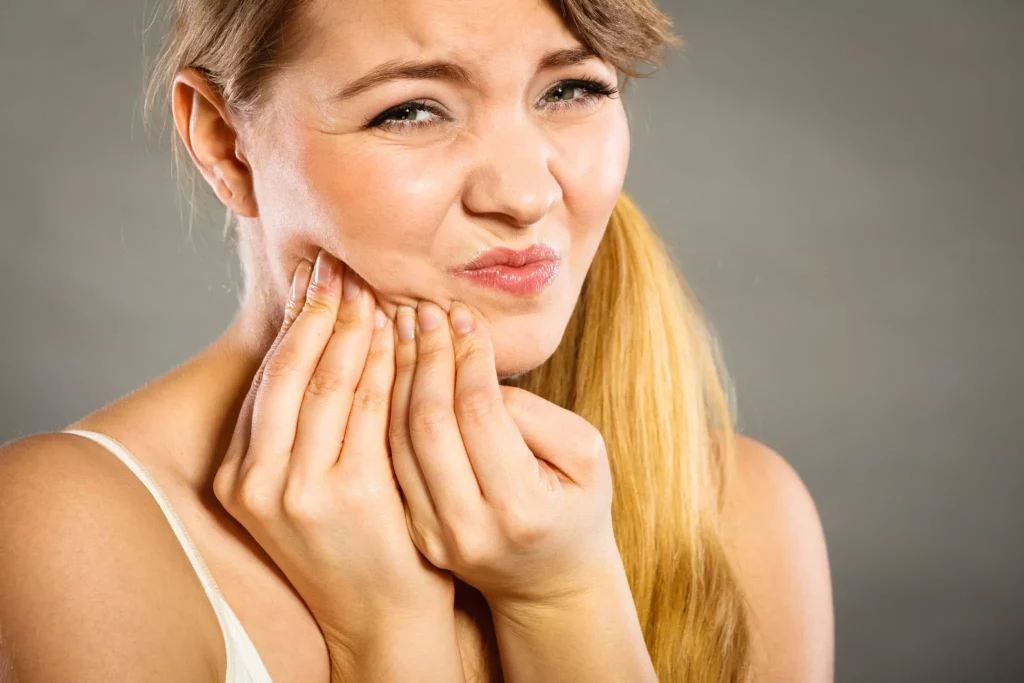
Hormones in women’s oral health reveal how the hormonal roller coaster experienced during different life stages can significantly impact oral well-being.
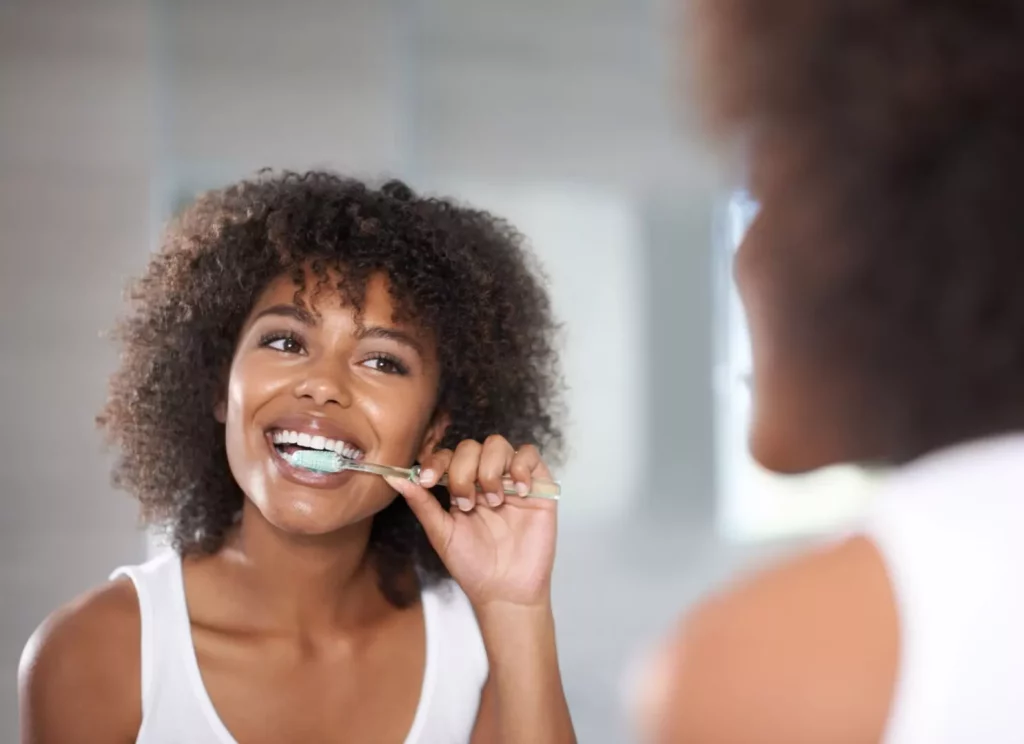
The best oral hygiene practices for women include brushing and flossing daily, staying hydrated, avoiding tobacco, and visiting the dentist often.

The benefits of avocados go beyond heart and skin health; this popular fruit also supports oral health.
Many oral health conditions in women are silent in their early stages — they progress without obvious pain until significant damage has occurred. Regular dental checkups allow early detection of gum disease, oral cancer, and enamel loss, all of which are more treatable when caught early.
The American Dental Association recommends dental visits at least twice a year. For women during pregnancy, perimenopause, or those taking medications affecting saliva, more frequent visits may be advised. Early intervention saves not just teeth — it protects overall systemic health, since periodontal disease is linked to cardiovascular disease, diabetes, and Alzheimer’s disease.
At Channel Islands Family Dental, we understand that every woman’s dental journey is different. Our team provides culturally sensitive, personalized care to meet women wherever they are in life.
Expert dental care for women at every stage of life — now closer than ever.