Last Updated on: 16th January 2026, 05:09 am
Oral health during pregnancy is more important than many people think. Periodontal disease not only affects the gums and teeth, but it can also affect the health of the mother and the baby. Taking care of your gums during pregnancy is part of taking care of your entire body.
At Channel Islands Family Dental Office – a trusted dental clinic network serving patients across Ventura County – we help pregnant women protect their smiles in a safe, gentle, and preventive way. We always adapt care to each stage of pregnancy and, when needed, work together with the patient’s doctor.
What is periodontal disease?
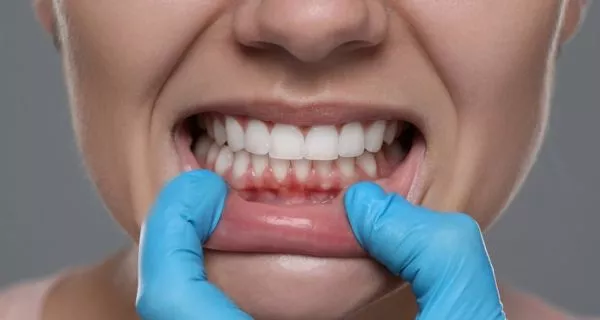
Periodontal disease is a gum infection caused by plaque buildup.
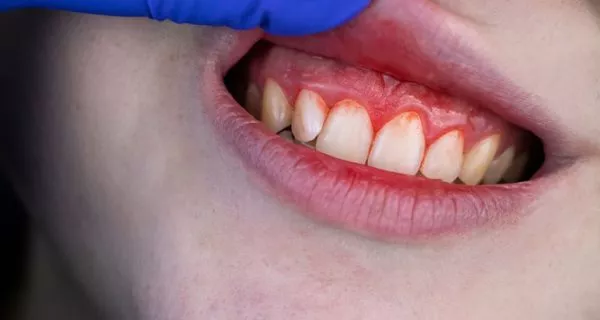
- It starts as gingivitis, causing red, swollen, and bleeding gums.
- If untreated, it can progress to periodontitis, a more serious condition that damages the bone supporting teeth.
During pregnancy, hormone changes can make gums more sensitive. This increases the risk of developing gum disease or making an existing problem worse.
How can periodontal disease affect pregnancy?
Studies show that untreated periodontal disease during pregnancy may be linked to:
- preterm birth
- low birth weight
- higher risk of preeclampsia
Bacteria from infected gums can enter the bloodstream and cause inflammation in the body. This inflammation may affect the pregnancy and the baby’s development.
If you live in Ventura County and are pregnant, visiting a dentist in Ventura, Oxnard, Newbury Park, Port Hueneme, or Santa Paula is the best way to protect your health and that of your baby.
How do hormonal changes affect gums during pregnancy?
Higher levels of estrogen and progesterone increase blood flow to the gums. This can:
- cause swollen or tender gums.
- make gums bleed while brushing or flossing.
- increase plaque buildup.
This condition is known as pregnancy gingivitis. It is common, but it should not be ignored. Timely dental care can prevent it from becoming periodontitis and causing tooth loss.
Is it safe to go to the dentist during pregnancy?
Yes, dental visits are safe and recommended during pregnancy, especially during the second trimester. Professional cleanings and preventive care help keep gums healthy and reduce risks.
At Channel Islands Family Dental, our Ventura County dentists adapt every treatment to the stage of pregnancy, using safe techniques while prioritizing comfort.
When should you see a dentist during pregnancy?
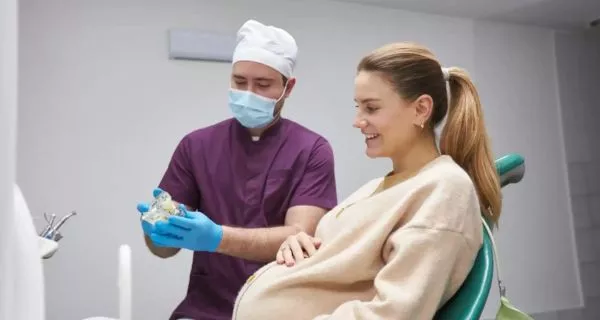
It is ideal to include a dentist even before becoming pregnant. A pre-pregnancy dental check helps ensure that your mouth is healthy and ready for the changes pregnancy will bring.
If you are already pregnant, it is important to stay on top of regular dental check-ups. Some dental conditions become more serious during pregnancy, so timely visits are a priority if you experience:
- frequent gum bleeding
- persistent swelling
- pain or sensitivity
- bad breath
A dentist is important not only because periodontal disease affects pregnancy but also because it brings other oral challenges. For example:
- Morning sickness and vomiting can harm tooth enamel.
- Nausea can make brushing teeth uncomfortable, so professional guidance is helpful.
Visiting a local dentist in Ventura County, including Oxnard, Newbury Park, Port Hueneme, and Santa Paula, ensures that you receive proper care.
Our dental team can help prevent complications, protect your teeth and gums, and support a healthy pregnancy.
Can periodontal disease be prevented during pregnancy?
While not all cases can be completely prevented, risk can be reduced with good oral care:
- Brush your teeth at least twice a day with fluoride toothpaste.
- Floss daily to remove plaque between teeth.
- Attend regular dental cleanings, even during pregnancy.
- Inform your dentist about your pregnancy and stage.
- Eat a balanced diet low in sugar and rich in essential nutrients.
If you are looking for a dentist in Oxnard, Newbury Park, Port Hueneme, Santa Paula, or Ventura, it is very important to choose a team that understands pregnancy-specific dental care.
Is periodontal treatment safe during pregnancy?
Early treatment is important to protect both mother and baby. During pregnancy, dentists focus on controlling inflammation and preventing the progression of periodontal disease.
Most periodontal treatments during pregnancy are safe and recommended, including:
- deep cleanings (scaling) to remove plaque and bacteria
- non-invasive periodontal treatments to control inflammation and prevent infection progression
If more complex procedures are needed, dentists usually monitor and manage the patient carefully throughout pregnancy, postponing invasive treatments until after the delivery when possible.
Dentists in Ventura County evaluate each case individually, ensuring the health of both mother and baby while minimizing risks.
Why is gum care so important during pregnancy?

Understanding how periodontal disease affect pregnancy is essential because gum health impacts not only your teeth, but also your overall health and your baby’s well-being.
Early dental care and treatment can help:
- reduce the risk of premature birth or low birth weight
- prevent gum inflammation from worsening
- protect tooth enamel from damage caused by vomiting or pregnancy-related nausea
At Cidentist, we proudly serve patients throughout Ventura County, with clinics in Ventura, Oxnard, Newbury Park, Port Hueneme, and Santa Paula.
If you are pregnant and searching for a caring dentist in Ventura County, our friendly team is here to support you at every stage with experience, safety, and close personal care.
Schedule your appointment today to ensure your gums and overall health stay strong during this important time.