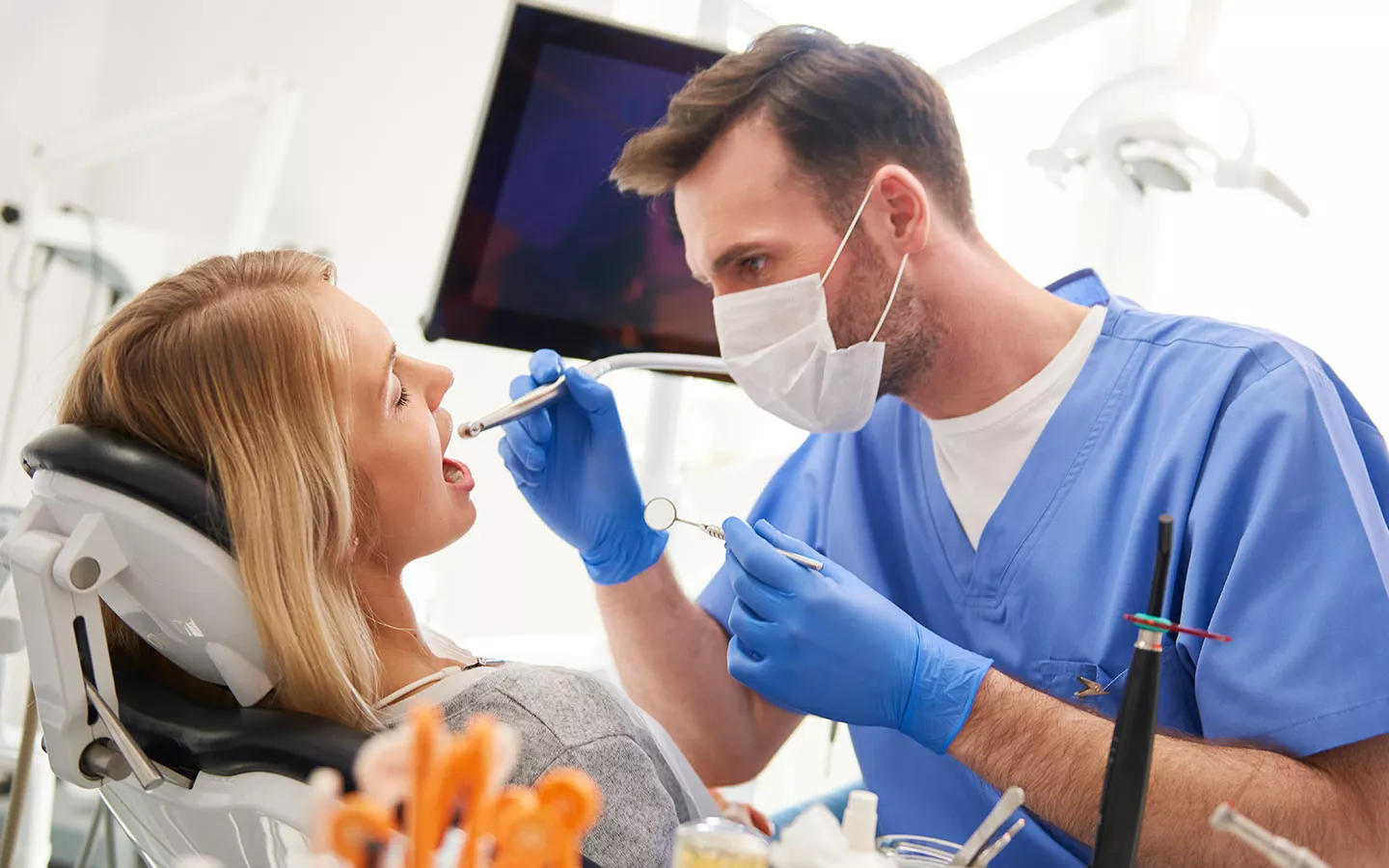
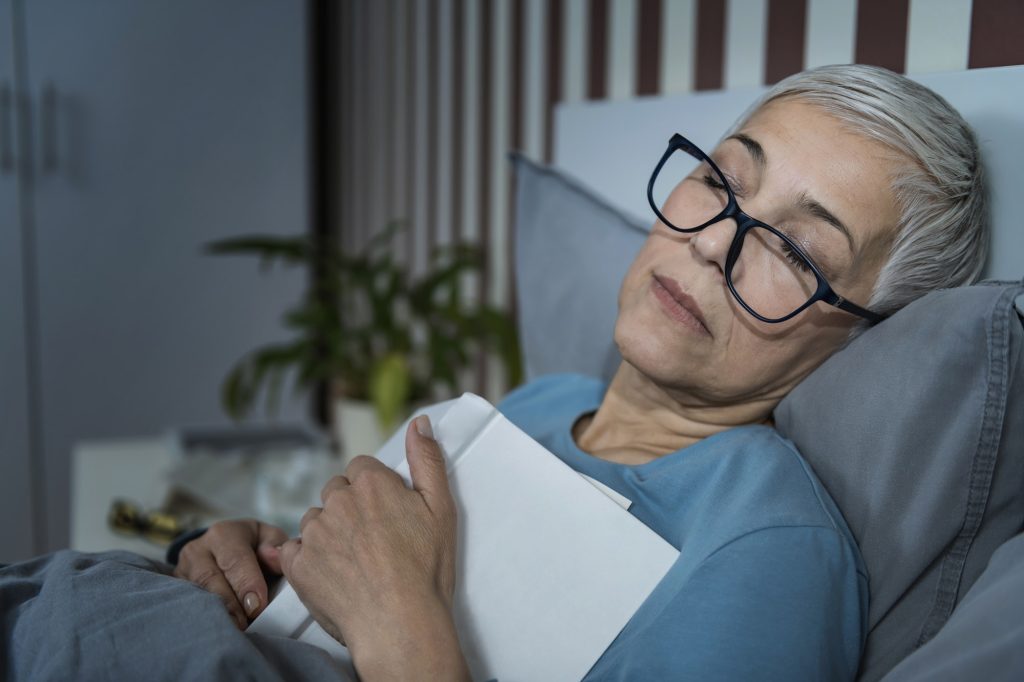
For those who have ever woken up with unexplained headaches or jaw discomfort, bruxism might be the culprit. According to the American Dental Association, 15% of adults grapple with bruxism, characterized by teeth clenching or grinding. This issue can manifest at any time, often exacerbated during stress or sleep. Unfortunately, it can lead to excessive tooth wear, cracking, or even fractures, along with symptoms like jaw pain, insomnia, and headaches. During an examination, our dentists in Oxnard , Santa Paula , Ventura , Newbury Park , and Port Hueneme can promptly identify this condition and suggest the use of a nightguard.
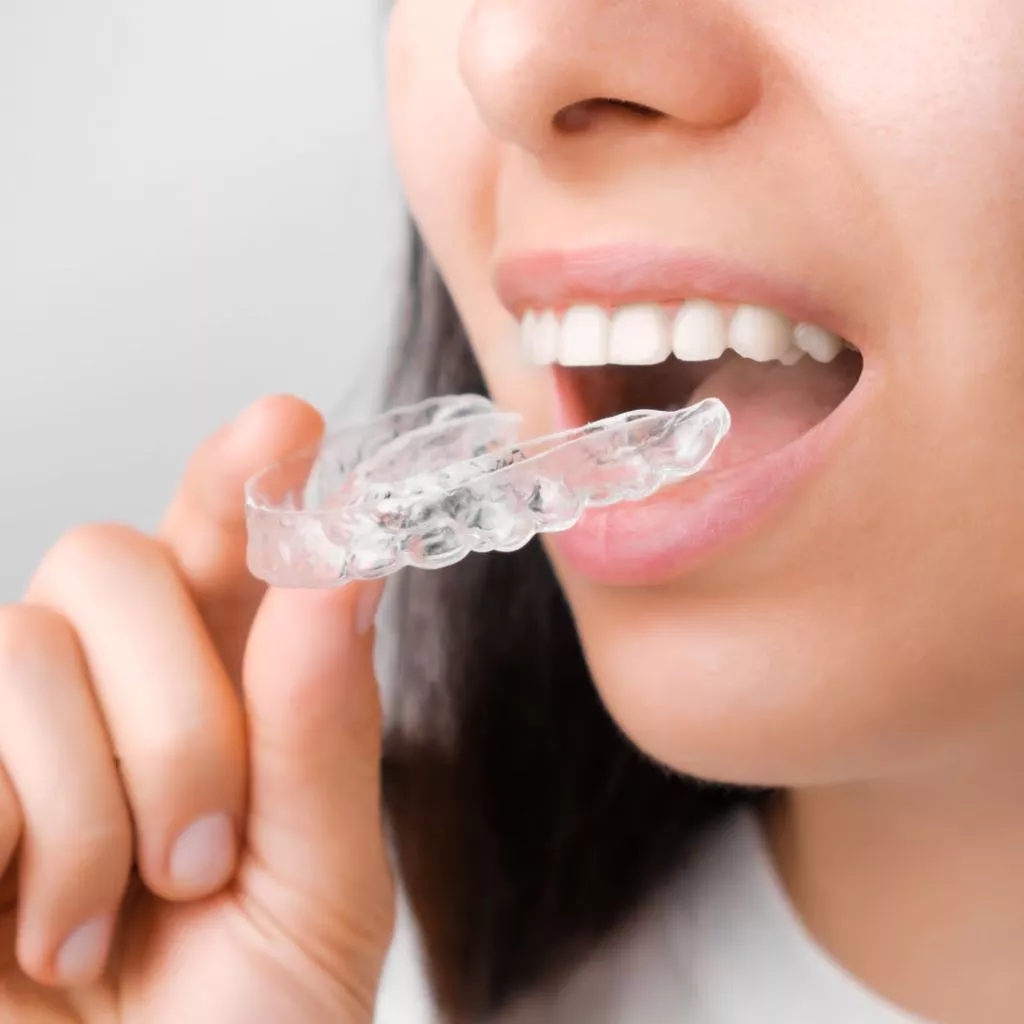
A dental nightguard, also referred to as a bite guard, occlusal guard, or splint device, is a protective dental appliance placed over the teeth. It’s crucial to understand that these guards, commonly known as dental nightguards, aren’t intended to prevent teeth clenching or grinding. Rather, they serve as a cushion for the jaw muscles, providing relief and alleviating tension during clenching. This cushioning effect has a two-fold benefit: it helps prevent headaches, facial pain, and jaw discomfort while also safeguarding tooth enamel.
In addition to wearing a customized dental nightguard for teeth during sleep, your dentist may provide recommendations to reduce the frequency and severity of teeth clenching and grinding. These suggestions may include moderating caffeine and alcohol consumption, reducing or eliminating tobacco use, especially before bedtime, and engaging in relaxation techniques like taking a warm bath, practicing yoga, or listening to calming music before bedtime.
HOW ARE NIGHTGUARDS MADE?
Nightguards are typically manufactured from plastic materials and are designed to be worn over either the upper or lower teeth, with a preference for the upper teeth. To create these custom-fitted guards, a model of your mouth is necessary, and our dentists in Oxnard , Santa Paula , Ventura , Newbury Park , and Port Hueneme will produce these models at their office.
These nightguards are engineered for your comfort, allowing for normal breathing and speech while wearing them. They are designed with a focus on teeth comfort. Although you can drink water while using them, it’s advisable to steer clear of sugary foods and beverages to maintain cleanliness and prevent the growth of bacteria on your teeth during sleep apnea .