Last Updated on: 12th January 2026, 12:54 am
Cold and flu season not only affects the respiratory system, but it can also have a significant impact on oral health. During the winter months, the body is weakened, and although the most common symptoms include fever, headache, and nasal congestion, it is important not to underestimate how the flu affects the teeth, gums, and tongue.
At Channel Islands Family Dental Office, serving patients throughout Ventura County, including Oxnard, Newbury Park, Port Hueneme, Thousand Oaks, and Santa Paula, dental professionals frequently see an increase in oral health issues related to seasonal illnesses.
Dehydration, mouth breathing, and certain medications lead to unfavorable conditions, such as dry mouth or increased plaque buildup. These factors cause gum irritation, bad breath, while they increase the risk of cavities and other dental problems. Maintaining good oral hygiene during cold and flu season is essential to avoid further complications.
How does cold and flu season directly affect the mouth?

During the danger season, we must be very attentive to oral health, since without realizing it, it can cause the following effects:
Why does dehydration increase the risk of dental problems?
When we have colds or flu, our body presents an increase in temperature and an increase in activity in the immune system, resulting in dehydration. When the body becomes dehydrated, it leads to a decrease in saliva, which plays an essential role in the mouth by eliminating bacteria and neutralizing acids.
In short, with a decrease in saliva, cavities and gum disease can arise. This is why staying hydrated is strongly recommended by dentists across Ventura County during the winter months.
How do cold and flu medications affect teeth and gums?

The medications used to relieve flu symptoms can affect oral health in the following ways:
- Decongestants and antihistamines: cause dryness in the mouth, resulting in an increase in bacteria in the mouth.
- Cough syrups and lozenges: While considered essential for relieving coughs, they have the disadvantage of containing sugar to improve their taste, which can cause cavities.
For patients visiting Channel Islands Family Dental Office in Oxnard, Thousand Oaks, and surrounding areas, dentists often recommend extra brushing and flossing when using these medications.
What are the oral effects of mouth breathing during a cold?
Mouth breathing creates a dry oral environment, which favors the growth of bacterial loads such as streptococci and pseudomonas aeruginosa. These bacteria can lead to pneumonia and result in greater vulnerability of the gums to diseases such as gingivitis and periodontitis.
Another effect of a dry oral environment due to mouth breathing is bad breath to awkward social moments.
What are the best oral health tips during the cold and flu season?

Below are some of the tricks to maintain proper dental health during a cold or bout of flu:
Why is staying hydrated so important for oral health?
Preventing dry mouth is essential because it increases bacterial buildup, which can lead to cavities and periodontal disease. Cold and flu medications often reduce saliva flow, making hydration even more important.
Drinking water or sugar-free electrolyte beverages helps support your body’s natural defenses and is especially important during the colder months in Ventura County.
Should you use an alcohol-free mouthwash?
Using mouthwash with alcohol increases dryness in the mouth and can cause both enamel erosion and gum lesions.
It is recommended to use an alcohol-free mouthwash or use warm water with salt to gargle. This helps to reduce the bacterial load and reduce bad breath and plaque buildup.
How can you choose tooth-friendly cold medications?
Remember to read the label or ask the pharmacist about the ingredients of medicines before buying them. Make sure they contain xylitol or sucralose but not fructose or corn syrup.
The longer the cough drops or syrup remain in the mouth, the greater the exposure of bacteria to the oral cavity, increasing the likelihood of causing cavities or periodontal disease.
Why should you brush after taking cold medications?

Cold medications such as cough drops and syrups often contain sugars and acids that stay on the teeth and gums after use. These substances feed harmful bacteria and lower the pH in the mouth, creating an ideal environment for cavities and gum irritation.
Brushing and rinsing after taking these medications helps remove sugar residue, reduce bacterial growth, and protect the enamel.
However, if the medication is acidic, it is important to wait at least 30 minutes before brushing. This allows the enamel to re-harden and helps prevent enamel erosion that can occur when brushing too soon after acid exposure.
Should you maintain your oral hygiene routine while sick?
If you have a cold, don’t forget to cover your mouth when you sneeze or cough. Maintaining an oral hygiene routine is crucial to avoid bacterial load, since the virus can live on wet surfaces for 72 hours.
Brushing our teeth prevents it from accumulating. Sharing a toothbrush is totally contraindicated. If you have a compromised immune system, it is recommended to change your toothbrush when you notice that the cold is already passing.
Why is a dental visit important during cold and flu season?
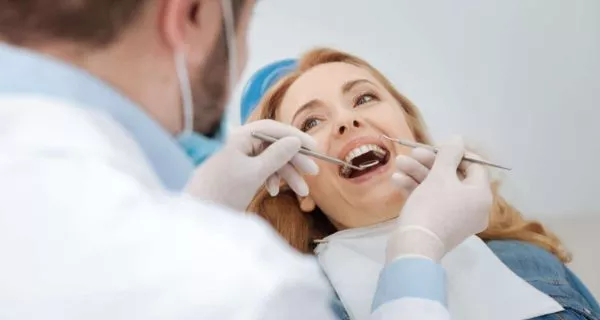
Cold and flu season is an important time to be mindful of your oral health, as dry mouth, gum irritation, and plaque buildup become more common due to dehydration, medications, and mouth breathing. These factors increase the risk of tooth decay and gum disease if they are not addressed early.
If you are feeling healthy or fully recovered, scheduling a preventive dental visit during this season is a smart way to protect your smile. At Channel Islands Family Dental Office, with convenient locations in Oxnard, Newbury Park, Port Hueneme, Thousand Oaks, and Santa Paula, patients across Ventura County can receive professional care to prevent small issues from becoming bigger problems during the winter months.
If you are currently experiencing flu symptoms, it is best to wait until you feel better before visiting the dentist. Once recovered, maintaining good oral hygiene and having a dental checkup can also support overall health and help reduce the risk of complications, including oral infections that may contribute to respiratory conditions such as pneumonia, COPD, asthma, and influenza.