Last Updated on: 10th April 2026, 10:33 am
You wake up, take a sip of coffee, and feel it, that sharp, stinging sensation inside your cheek or on the edge of your tongue. You know what it is before you even look. A canker sore has shown up, uninvited, and it is going to make the next few days uncomfortable.
You are not alone. Mouth ulcers or canker sores are one of the most common oral health complaints in the United States. The good news is that most heal on their own. The better news is that a simple, natural remedy sitting in many homes and available at any pharmacy in Ventura, Oxnard, or Port Hueneme can make the process significantly less painful: pure aloe vera gel.
In this guide, you’ll learn how to use it correctly, why it works, and when it’s time to see a dentist.
This article is for informational purposes only. Please consult your dentist for personalized care.
First, the fast facts on canker sores
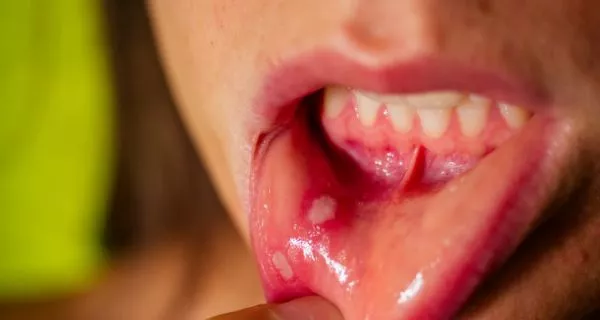
Before we get into aloe vera, here is what you need to know about the sores themselves:
- Canker sores are not contagious, you cannot catch them or spread them
- They appear inside the mouth (cheeks, tongue, gums, inner lips, soft palate)
- Most are white or yellow with a red border
- Minor sores heal in 7–14 days; larger ones can take up to 6 weeks
- About 1 in 5 people get them regularly
- Common triggers: stress, acidic foods, mouth injuries, vitamin deficiencies (B12, iron, zinc, folate), hormonal changes, and certain toothpaste ingredients
- They are different from cold sores, which appear outside the mouth and are caused by a virus
What the science says about aloe vera and mouth ulcers
Let’s address the most important question first: does aloe vera gel actually work on mouth ulcers, or is it just a home remedy myth?
The research says it works, and here is the evidence.
- Several studies in real patients have shown that aloe vera can reduce pain, shrink the ulcer, and help it heal faster than some other treatments.
- In one large analysis, people who used aloe vera had better overall results and shorter healing times.
- Dental experts also support its use. Aloe vera is gentle, doesn’t sting, and has a mild taste, which makes it easy to apply even on sensitive sores.
- It’s also considered very safe, with almost no side effects when used in small amounts.
Aloe vera is not a miracle cure, and it will not eliminate a canker sore overnight. But used consistently, it reduces how much it hurts and how long it lasts, and it does so safely.
How aloe vera works: 3 things it does inside your mouth
You do not need to understand the science to use aloe vera, but knowing why it works can help you use it with more confidence.
- Calms the inflammation: Aloe vera helps reduce swelling and redness around the sore. Less inflammation means less pain and irritation.
- Helps the skin heal: It supports your body’s natural healing process, helping the sore close faster and repair the tissue.
- Protects the sore: The gel forms a thin layer over the ulcer, shielding it from food, saliva, and air, so it hurts less and heals in a better environment.
Do this / avoid this: your canker sore action plan
✅ DO THIS
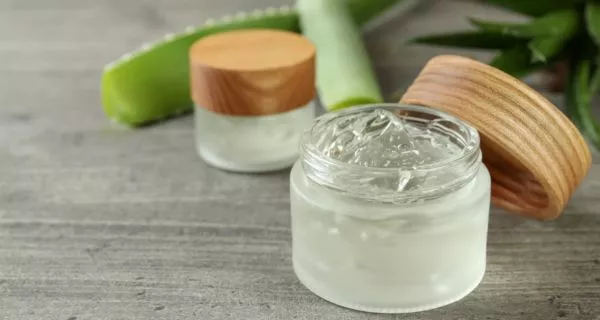
- Apply aloe vera gel directly to the sore: Use pure aloe vera gel; 98 to 100% aloe, no alcohol, no added fragrances.
- Apply with a clean finger or cotton swab, press gently, and leave it on.
- Do not eat or drink for 15–20 minutes after applying.
- Repeat 3–4 times daily, especially after meals and right before bed.
- Rinse with warm saltwater: Half a teaspoon of salt dissolved in a glass of warm water.
- Swish for 30 seconds, 2–3 times a day.
- It cleans the area, reduces bacteria, and lowers inflammation.
- Try a baking soda rinse: One teaspoon of baking soda in warm water neutralizes mouth acidity, which can reduce irritation and create a less favorable environment for the sore.
- Apply a cold black tea bag: Let a used black tea bag cool down and press it gently against the ulcer. Black tea contains tannins, natural compounds with mild astringent and pain-relieving properties.
- Eat soft, gentle foods: Yogurt, oatmeal, mashed potatoes, scrambled eggs, and lukewarm soups are your friends right now. Give the sore a break from rough textures.
- Use a soft-bristle toothbrush: Brush carefully around the sore. Good oral hygiene prevents secondary infection and supports healing.
- Stay hydrated: Dry mouth can irritate canker sores and slow healing. Drink water consistently throughout the day.
❌ AVOID THIS
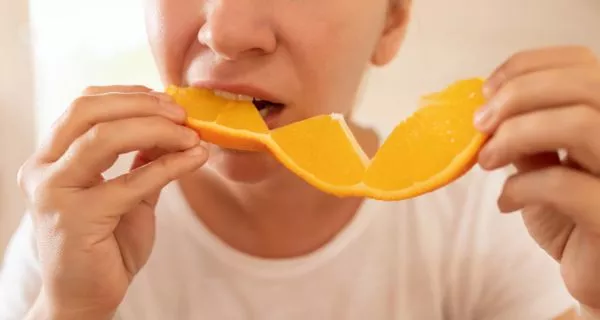
- Acidic foods and drinks: Citrus fruits, tomatoes, vinegar, soda, and coffee can aggravate the ulcer and extend healing time.
- Spicy or salty foods: These irritate the raw tissue and intensify pain.
- Hard or crunchy textures: Toast, chips, and crackers can reopen or deepen the sore.
- Toothpastes with sodium lauryl sulfate (SLS): Check your label. SLS can trigger or worsen canker sores in people who are sensitive to it. Switch to an SLS-free option while the sore heals.
- Touching the sore repeatedly: Poking it with your tongue or fingers introduces bacteria and slows healing.
- Aloe vera products not meant for oral use: Sunburn gels, cosmetic aloe creams, and tanning products often contain alcohol and other additives that will irritate mouth tissue. Always use a product labeled for medicinal or oral use.
Where to get aloe vera gel near you in Ventura County
You do not have to look far. Pure aloe vera gel is available near all five Channel Islands Family Dental locations:
- Pharmacies: CVS, Walgreens, and Rite Aid have options in Ventura, Oxnard, Port Hueneme, Newbury Park, and Santa Paula
- Natural health stores: Sprouts Farmers Market and Whole Foods carry high-quality aloe vera products throughout Ventura County
- Online: Brands like Lily of the Desert and George’s Aloe ship directly and are widely available on Amazon or Walmart.com
What the label should say: Aloe vera as the first ingredient, no ethyl alcohol, no artificial dyes, no fragrance, suitable for topical or oral use.
Prefer fresh? You can grow an aloe vera plant at home. Place it near a sunny window, water it sparingly, and when you need gel, cut a small section of leaf and squeeze the clear gel directly onto the sore.
When home care is not enough: time to see your dentist

Aloe vera and home remedies work well for typical minor canker sores. But some situations call for professional evaluation. Contact your dentist if:
- The ulcer has not healed after 2 weeks
- It is larger than 1 centimeter or unusually deep
- The pain is severe and getting worse, not better
- You develop fever or swollen lymph nodes alongside the sore
- You are getting multiple sores at once, or they return very frequently
- The sore is located near a broken tooth, brace wire, or dental appliance that keeps irritating it
- You have difficulty swallowing or eating
Frequent or persistent mouth ulcers can sometimes signal underlying conditions, nutritional deficiencies, autoimmune disorders, gastrointestinal conditions, or other issues that need medical attention. Do not ignore a sore that keeps coming back.
Ready to feel better? we’re here for you
At Channel Islands Family Dental, we know that even a small sore can take the joy out of eating, talking, and getting through your day. Our dental teams across Ventura County are here to help, whether you need a quick check on a stubborn ulcer or a full dental visit.
“I had a canker sore that just wouldn’t go away after three weeks. Turned out my new dental appliance was irritating the same spot. One visit to Channel Islands Family Dental and we fixed the problem the same day.” — Patient experience, Port Hueneme location
📍 Five convenient locations: Ventura · Oxnard · Newbury Park · Port Hueneme · Santa Paula
📞 Call us: (805) 985-6966 🗓️ Book your appointment online
We accept most major dental insurance. New patient special: $29.99 comprehensive exam.