


Last Updated on: 4th December 2024, 04:38 pm
Burning mouth syndrome (BMS) is a benign condition that can affect anyone of any age, with a highly variable prevalence (2-5%, or even up to 24% of the general population). In different studies, it has been claimed identified that it is more associated with older and older adult postmenopausal women.
What is Burning Mouth Syndrome?
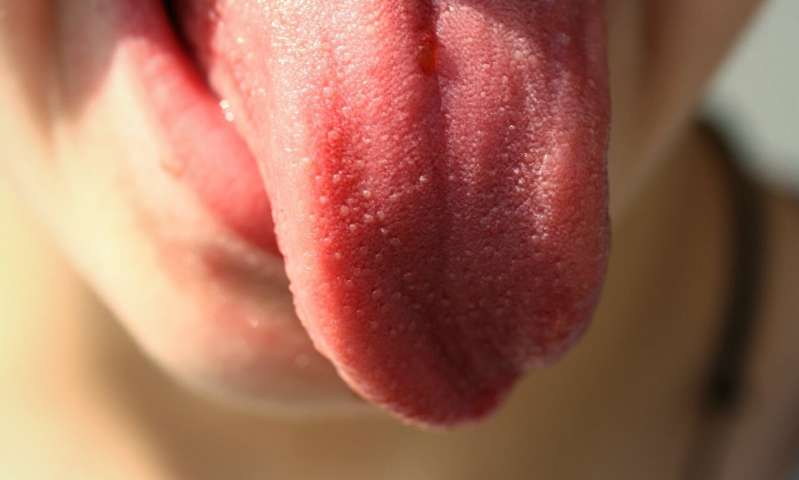
Burning mouth syndrome is a painful disorder that manifests as a continuous (chronic) or recurrent burning in the mouth, without an apparent cause. It occurs on the tip of the tongue or the roof of the mouth in most cases, but it can also affect the gums, lips, inside of the cheeks, and other areas.
The burning sensation is very intense and may develop over time. You may also experience tingling in your mouth on intermittent or continuous days, for a few hours a day to several months. Sometimes, the symptoms are not clinically evident, making it an underdiagnosed syndrome without an established treatment.
Symptoms of Burning Mouth Syndrome
- A burning or burning sensation that most commonly affects the tongue, but can also affect the lips, gums, palate, throat, or entire mouth
- A feeling of dry mouth with increased thirst
- Difficulty swallowing
- Sore throat
- Taste changes in the mouth, such as a bitter or metallic taste
- Loss of sense of taste
- Tingling, burning, or numbness in the mouth
The burning sensation may have different patterns:
- Every day, with little discomfort when you wake up, but it gets worse as the day goes on.
- Symptoms begin upon waking and can sometimes last all-day
- intermittently
Causes of Burning Mouth Syndrome

Since there is still no specific causality, some associations have been made that allow a classification:
Primary burning mouth syndrome: this is not necessarily associated with a health problem the patient presents, but experts indicate that it is possibly associated with a problem with the nerves that control pain and taste.
Secondary burning mouth syndrome: in this case, it may be associated with an underlying disease of the patient. In general, when treating this clinical condition, the symptoms should disappear or improve; Some of the associated diseases are:
- Hormonal changes (menopause or diseases associated with the thyroid)
- Dry mouth (xerostomia, Sjögren’s syndrome, radiotherapy, antineoplastic drugs)
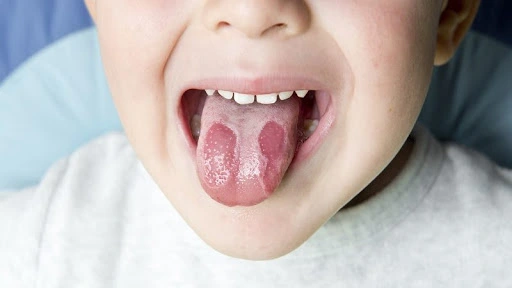
- Diseases in the mouth such as oral candidiasis, inflammatory diseases such as lichen planus, or tongue geographic.
- Nutritional deficiencies (vitamin B, Iron, zinc, etc.)
- Metabolic Disorders (eg Diabetes)
- Medications for the treatment of hypertension
- Gastroesophageal reflux disease
- Excessive irritation of the mouth or allergies (excessive brushing of the tongue, very abrasive toothpaste, excessive use of mouthwashes, or excessive consumption of highly acidic beverages)
- Oral conditions (bruxism, tongue thrusting, etc.)
- Psychological factors (anxiety, depression, or stress)
Sometimes bridges or frames that do not adapt well can make symptoms worse.
Risk Factors and Diagnosis
As risk factors, it has been identified that:
- It occurs more commonly in women than in men
- Women who suffer most are between 50 – 70 years
- Menopausal and postmenopausal women
For a diagnosis, your doctor may explore your history to find any health problems you’ve had in recent years in order to identify associations and triggers. It is not easy to diagnose and may require a physical examination by a doctor or therefore a specialist. Specialists who diagnose burning mouth syndrome include dentists who specialize in oral medicine or surgery. Otolaryngologists (ear, nose, and throat specialists), gastroenterologists, dermatologists, or neurologists may also be able to diagnose this disorder.
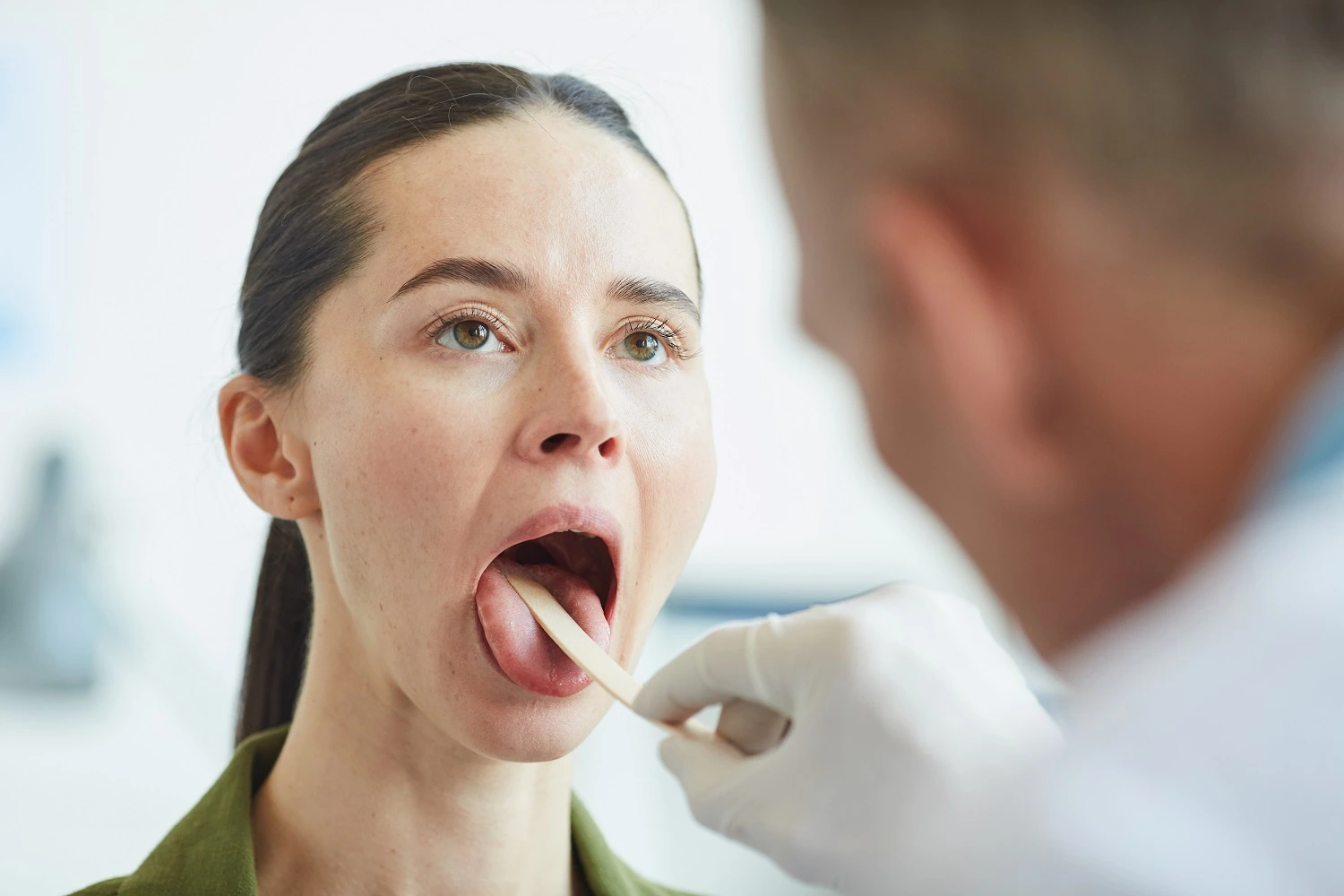
Some of the tests they may include are:
- Allergy test to see if you have a reaction to a product or medicine
- Biopsy (the doctor removes a small piece of tissue from your mouth and sends it for testing)
- Blood tests to see if you have thyroid problems or diabetes
- TAC, X-rays are taken from different angles and put together to show a more complete picture)
- MRI (strong magnets and radio waves are combined to make detailed pictures)
- Salivary flow tests to measure your saliva
Treatment for Burning Mouth Syndrome
Being a multi-causal health condition, it has not been possible to determine with certainty an effective and timely treatment. Therefore, the clinical condition must be individualized for each patient and the probable cause of the burning mouth syndrome must be determined. Often, the results can be uncertain or unsatisfactory after which the doctor must explore possible alternatives.
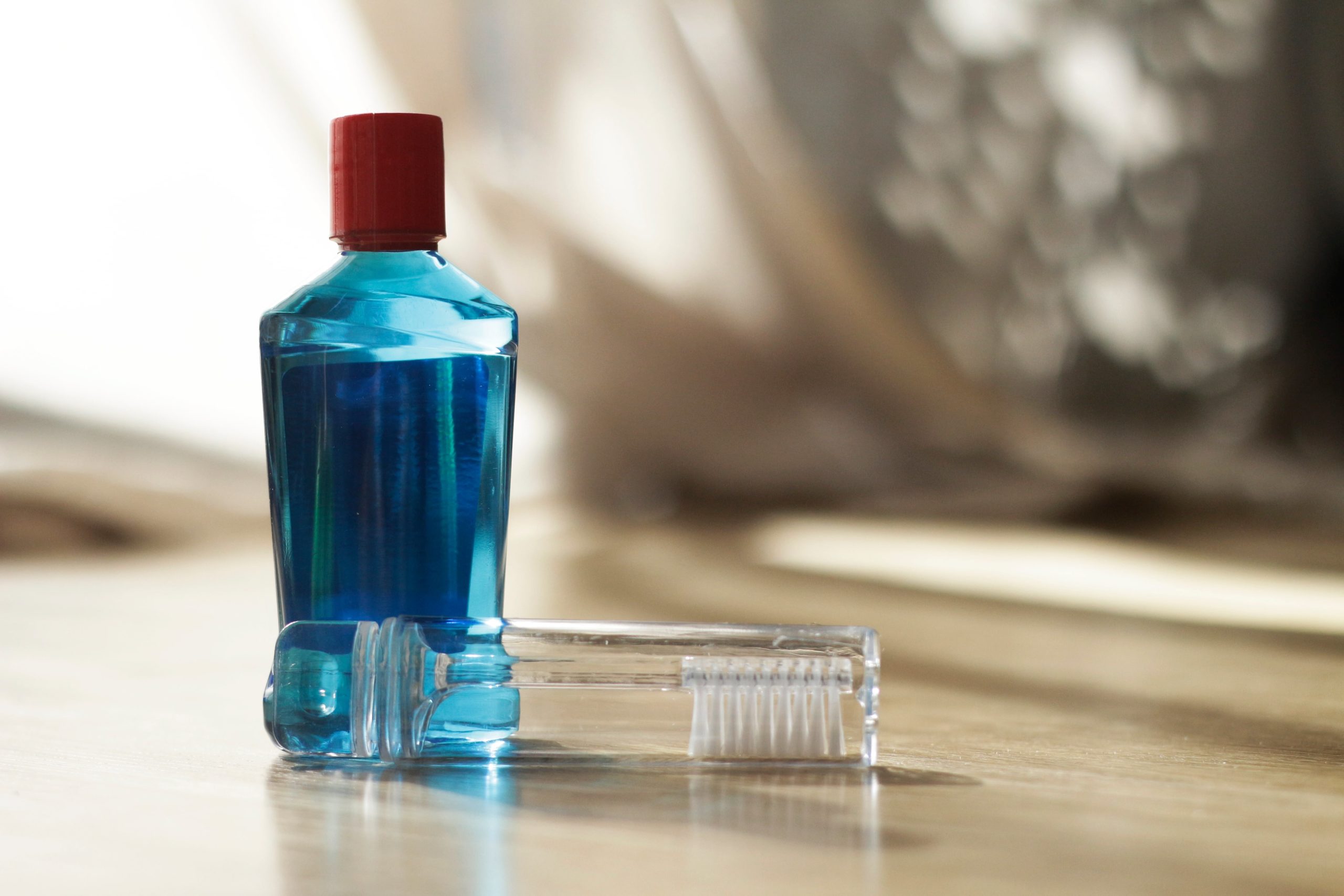
Before indicating the pharmacological treatment, changes in lifestyle, habits, and diet should be recommended to help reduce the symptoms or the time they may appear. Some topical treatments that help:
- Mouthwashes with anti-inflammatory effects (benzamide, topical capsaicin, diphenhydramine, and lidocaine with aluminum and magnesium hydroxide gel)
- Diphenhydramine rinses with kaolin and pectin 20-40 minutes before eating
Other pharmacological treatments that could help:
- Some antidepressants like clonazepam
- Anticonvulsants such as gabapentin
- Tricyclic antidepressants such as amitriptyline
- Anxiolytics such as Olanzapine
NOTE: Remember that the aforementioned treatments must be prescribed and approved by a medical or dental specialist, who has determined that the cause is associated with a problem in the central nervous system (CNS) or topical treatment could help. Using these products without medical approval could put your life at risk.
Burning Mouth Syndrome Treatment at Home
Some changes in habits can help. You can incorporate new ones into your day-to-day life.
- Drinking water frequently
- Suck on crushed ice or ice cubes
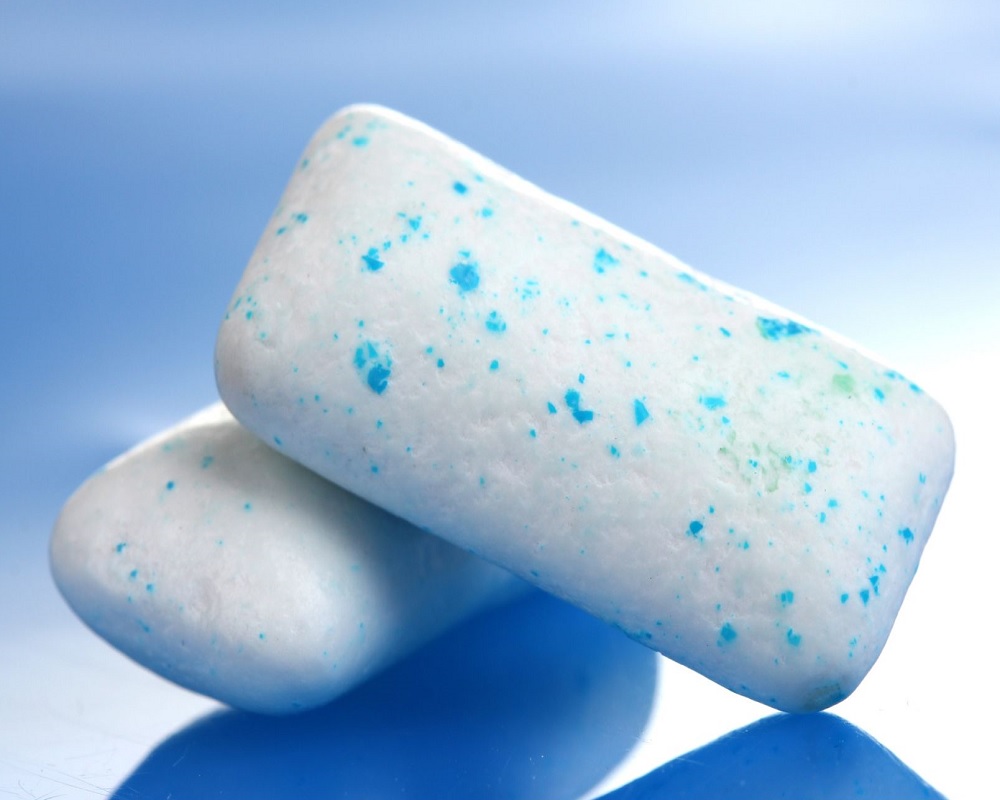
- Chewing sugar-free gum will help produce more saliva to prevent your mouth from drying out.
- Avoiding things that irritate your mouth such as hot and spicy foods, and mouthwashes that contain alcohol or acidic fruits and juices.
- To steer clear of the detrimental effects of nicotine, it is advisable to refrain from using tobacco, vaping, and alcohol products.
- Avoid products with cinnamon or mint.
- New oral hygiene products like soft toothpaste.
- Other methods are relaxation, yoga, meditation, and hypnotherapy as they have been shown to help some people reduce stress and anxiety.
- Carry out activities that help you relax, distract yourself, or share with your social support group.

In conclusion, we recommend that, in case of any signs or symptoms, you go to a doctor or tell your dentist. Track symptoms, and record the periods and how you feel when they occur. Before starting any treatment, consider implementing lifestyle modifications and other practices.
Contact us
If you have any questions about this or other topics, you can contact us at Channel Island Family Dental as well as our Facebook page. We look forward to your visit and we will make a timely diagnosis. Our dentists in Oxnard, Saint Paula, Venture, Newbury Park, and Port Hueneme will be able to guide you toward the best treatment to take care of your health and give you back your best smile.
Bibliography
1. Vaidya R. Burning mouth syndrome at menopause: Elusive etiology. J Midlife Health. 2012Jan;3(1):3-4. doi: 10.4103/0976-7800.98809. PMID: 22923972; PMCID: PMC3425145. (Accessed on Oct 21, 2022). Available in: https://www.ncbi.nlm.nih.gov/pmc/articles/PMC3425145/2
2. De Luca Monasterios F., Rodríguez de Rivera Campillo ME. Treatment of oral burning and dry mouth: new trends. Av Odontostomatol [Internet]. 2014 Jun [cited 2022 Oct 25]; 30(3): 139-143. Available in: http://scielo.isciii.es/scielo.php?script=sci_arttext&pid=S0213-12852014000300007&lng=es.
3. National Institute of Dental and Craniofacial Research. Burning Mouth Syndrome. NIH (Internet). Revised Sep, 2022, (Accessed Oct 21, 2022). Available in: https://www.nidcr.nih.gov/health-info/burning-mouth
4. AAOM Web Writing Group. Burning Mouth Syndrome. American Academy of Oral Medicine (Internet). Published Jan 22, 2015, (accessed Oct 21, 2022). Available in: https://maaom.memberclicks.net/index.php?option=com_content&view=article&id=81:burning-mouth-syndrome&catid=22:patient-condition-information&Itemid=120
5. Garcia M, Garcia A, et. to col. Glossodynia or burning mouth syndrome. General and family medicine (internet). 2017; 6(4): 172-175. http://dx.doi.org/10.24038/mgyf.2017.039 (accessed Oct 21, 2022). Available in: https://mgyf.org/glossodynia-burning-mouth-syndrome/
6. Mayo Clinic Staff. Burning Mouth Syndrome. Mayo Clinic (Internet). Published on Feb 14, 2019, (accessed on Oct 21, 2022). Available in: https://www.mayoclinic.org/diseases-conditions/burning-mouth-syndrome/symptoms-causes/syc-203509117
7. WEBMD Editorial Contributors. Burning Mouth Syndrome. WebMD (Internet). Published on Jul 27, 2020, (accessed on Oct 21, 2022). Available in: https://www.webmd.com/oral-health/burning-mouth-syndrome-facts