Last Updated on: 5th February 2026, 03:08 pm
Breaking or chipping a tooth can happen from a fall, a sports accident, or a hard hit to your mouth. It can be scary, especially if the tooth hurts right away or the pain grows over time.
Some cracks are small and hurt a little, but others are serious and need quick care. At Channel Islands Family Dental Office, we are here to help you step by step, ease your pain, and make sure your tooth gets the care it needs.
What causes cracked teeth?
There are many ways a tooth can crack or break. Common causes include:
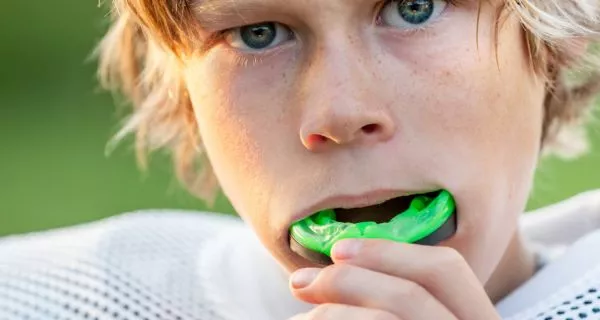
- Dental trauma: A fall, a sports accident, or a hit to the mouth can crack a tooth. Vehicle accidents can also cause damage.
- Biting hard foods: Ice, hard candy, popcorn kernels, and other tough foods can break teeth.
- Bruxism (teeth grinding): Grinding your teeth, often from stress, can slowly weaken them and cause cracks.
- Dental treatments: Large fillings or root canals, especially without a protective crown, can make teeth more likely to crack.
What are the symptoms of a cracked or broken tooth?
Cracked or broken teeth don’t always hurt, but they can. The pain usually depends on how deep the crack goes.
- If it reaches the dentin or the nerve, you may feel sharp or pulsing pain, especially when you chew or bite.
- Some teeth are sensitive to hot, cold, or sweet foods.
Some cracks are superficial and may cause minimal discomfort:
- You might notice slight sensitivity when biting lightly or just remember the first hit that caused the crack.
- Even if the tooth doesn’t hurt, it can still be damaged, so any cracked or knocked-out tooth should be checked by a dentist.
If left untreated, cracks can lead to infection or a tooth abscess. Signs of infection include bad breath, persistent tooth pain, fever, swollen gums, or swollen lymph nodes.
What should I do immediately if I break a tooth?
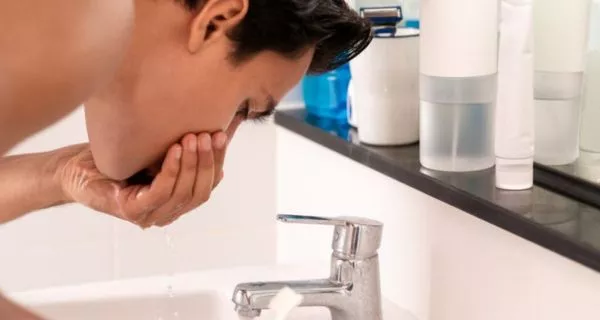
If your tooth cracks, chips, or breaks, the first thing is to stay calm. Panicking won’t help, but acting quickly can save your tooth.
- Rinse gently with warm water or salt water
- If bleeding, apply gentle pressure with a clean gauze
- Avoid chewing on the affected side or touching the tooth
- Save any broken pieces in milk or saline. Your dentist can examine them to see if they are enamel, a filling, or part of the tooth structure.
If the tooth is knocked out completely, try to get to a dentist within 1 hour. For serious cracks or fractures, treatment should happen ideally within 24 hours. Acting quickly increases the chance of saving the tooth and prevents pain, infection, or other problems.
How can I get cracked or broken tooth pain relief at home before visiting the dentist?
While waiting for professional care, there are several things you can do to reduce pain and protect your tooth.
- Take over-the-counter pain medication like ibuprofen or acetaminophen. Avoid aspirin, as it can increase bleeding.
- Use dental anesthetic gels like Orajel or Anbesol on the cracked tooth for temporary relief.
- Try a tiny dab of clove oil on a cotton ball and press it gently on the tooth for a few seconds. Do not swallow the oil.
- Keep your mouth clean and rinse with warm salt water 2–3 times a day.
- Avoid chewing on the affected side and eat soft foods.
- Sleep with your head slightly elevated if the tooth is throbbing or swollen.
- Floss gently to remove any food stuck between the broken tooth and its neighbors.
These are temporary measures. Only a dentist or dental specialist can repair the damage, especially if the nerve is exposed.
What should I avoid with a cracked or broken tooth?
While waiting for dental care, avoid anything that could make the problem worse:
- Do not try to glue the tooth back, use home remedies, or apply unapproved substances.
- Avoid very hot or cold foods and drinks, as they can increase sensitivity.
- Stay away from sugary or acidic foods like candy, citrus, or tomatoes—they can irritate the exposed layers.
- Do not chew hard foods like nuts, ice, or hard candy on the broken tooth.
Remember, even if the pain stops temporarily, the tooth may still be damaged. Ignoring it can lead to infection, nerve damage, or a tooth abscess.
When is a cracked or broken tooth a dental emergency?
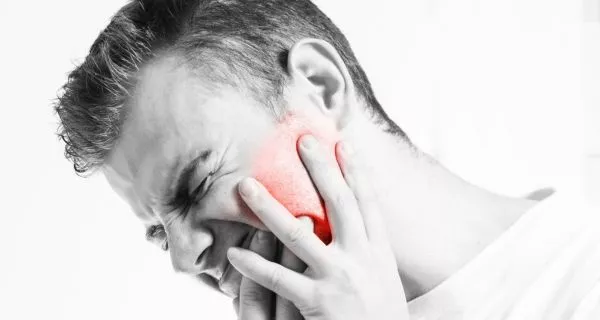
Immediate attention is required if you experience:
- Severe, throbbing pain
- Visible swelling
- Loose tooth
- Persistent bleeding
- Fever
- Exposed nerve
- Tooth displacement
When should I see a dentist?
Timing is very important.
- If a tooth is knocked out, try to see a dentist within 1 hour.
- For serious fractures, treatment should happen ideally within 24 hours.
- The sooner the tooth is treated, the higher the chance to save it and prevent pain, infection, or other problems.
If the crack is minor and the pain is mild, you can wait a day or two. But don’t wait too long—small cracks can become bigger problems. At Channel Islands Family Dental Office we can see severe cases immediately.
What treatments exist for a cracked or broken tooth?
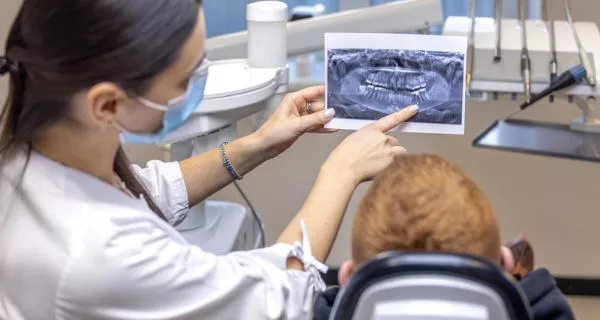
The treatment for a cracked or broken tooth depends on how deep the damage is and the type of tooth. Your dentist will check the tooth carefully and decide the best way to save it and keep your smile healthy.
- Minor fractures may only need dental bonding or a sealant, similar to fixing a small cavity.
- Moderate damage often requires a crown (tooth cap) to cover and protect the broken tooth.
- Severe fractures, especially if the nerve is affected, may need a root canal to treat the dental pulp. After a root canal, the tooth should stop hurting in a few days.
- If the tooth is badly damaged and cannot be saved, extraction may be necessary, followed by a dental implant or bridge to restore function and appearance.
Only a dentist can determine the best treatment based on the tooth type, development stage, and extent of the injury.
Where can I get cracked or broken tooth pain relief in Ventura County?
If you have a cracked or broken tooth, don’t wait—getting care quickly can save your tooth and reduce pain. At Channel Islands Family Dental Office, we provide fast evaluation, professional treatment, and immediate pain relief.
We proudly serve patients in Ventura, Newbury Park, Oxnard, Port Hueneme, and Santa Paula. Whether your tooth is chipped, cracked, or completely knocked out, our team is ready to guide you through every step.
Call us today if you’re unsure whether your situation is an emergency. We’re here to help you get the right care, relieve your pain, and restore your confidence.“`
¿Deseas que revise otro fragmento o necesitas ayuda con algo más?