Orthodontic treatment, especially among adolescent and adult patients, is frequently met with reluctance, primarily driven by concerns related to appearance and the discomfort associated with traditional braces. However, the American Association of Orthodontists champions Invisalign as one of the most technologically advanced orthodontic solutions globally. The demand for Invisalign aligners is on the upswing, driven by patients seeking both aesthetic improvements and expedited results. Thanks to these innovative techniques and devices, complex dental misalignments can now be effectively addressed.
How do invisalign aligners work?
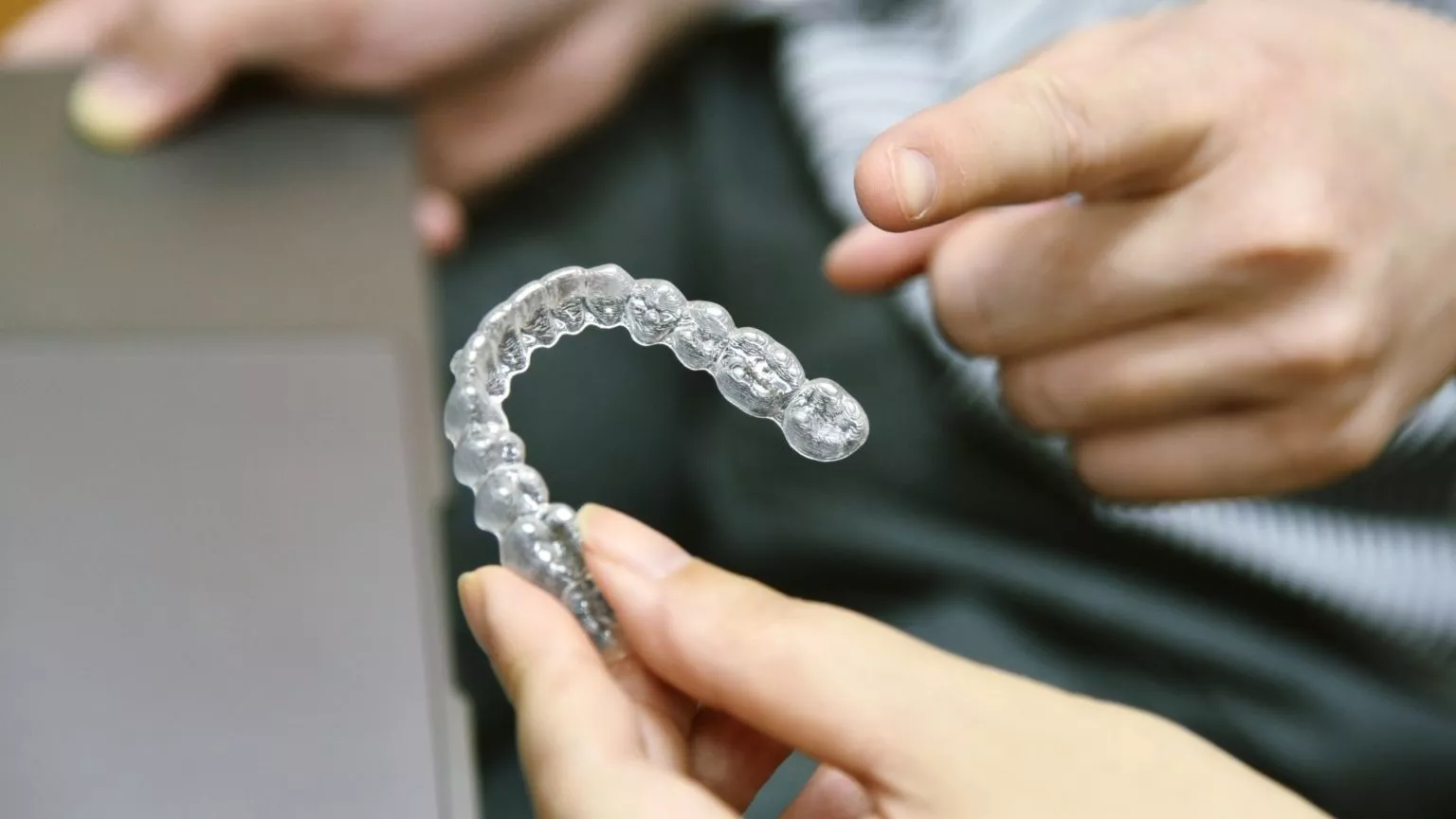
Invisalign aligners are crafted from transparent, removable splints that envelop all the teeth in both arches. These aligners work by applying subtle pressure, initiating dental adjustments to correct misalignments.
Each aligner is custom-designed digitally, using advanced 3D imaging technology, tailored to your individual needs. To achieve the intended results, the aligner must be changed at regular intervals
How to have an invisalign aligner?
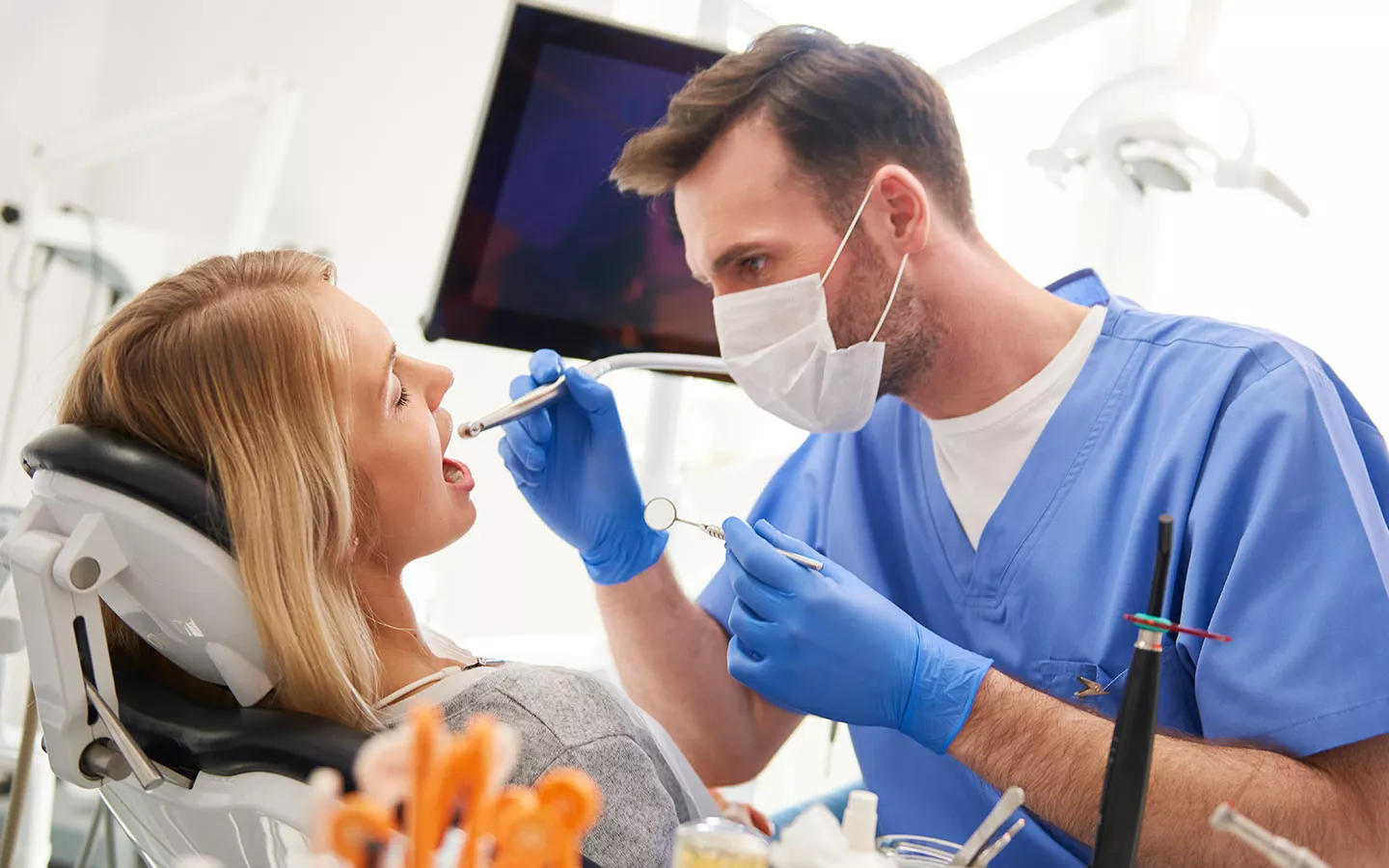
Invisalign aligners are a fully digital system, commencing with the precise impressions of both upper and lower teeth during the initial appointment. Alternatively, a three-dimensional scan of your teeth, facilitated by specialized software and advanced computer-assisted 3D technology, converts your mouth impressions into a series of clear, removable custom retainers.
Following a meticulous assessment of the targeted final alignment, required movements, and adjustments, the treatment plan is greenlit. Depending on the approved plan, you will receive a total of approximately 12 to 48 different aligners.
The second visit is dedicated to furnishing you with your aligners, each pair meant to be worn for about 2 weeks. These aligners should only be removed for eating, drinking, and maintaining oral hygiene. Regular check-ups are essential, occurring either on a monthly or bi-monthly basis, at which you will be provided with new retainers.