Last Updated on: 14th March 2026, 08:30 am
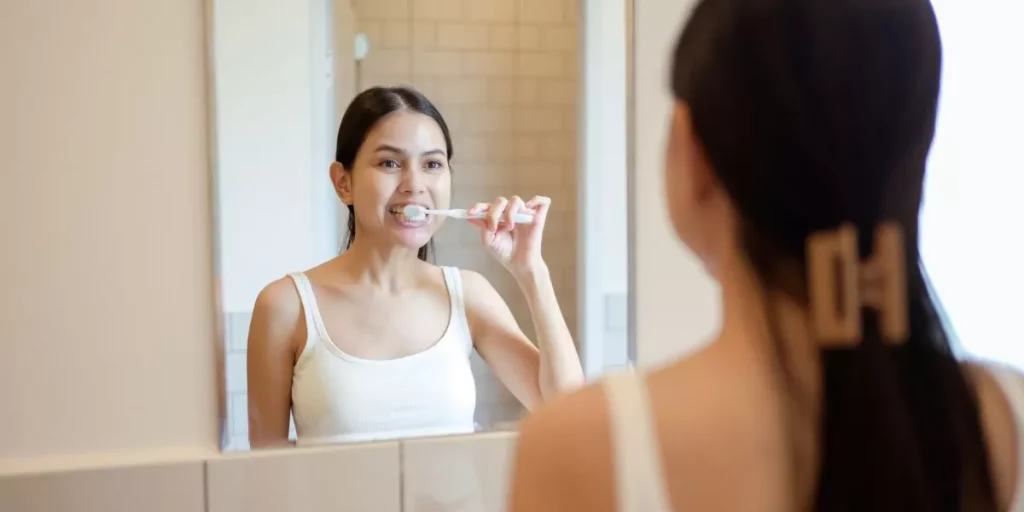
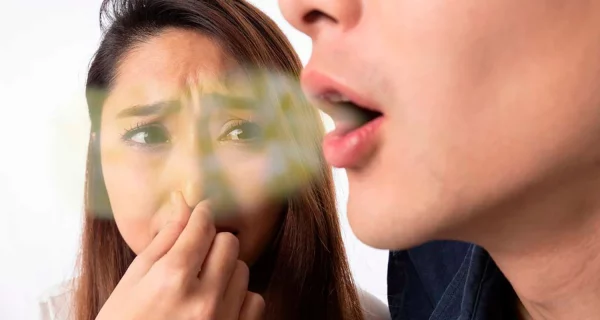
For many people, the first moment in front of the mirror each morning brings a simple question: Should I brush my teeth right when I wake up, or after breakfast?
It may seem like a small detail, but brushing at the right time can help protect your teeth from cavities, enamel wear, and bad breath. We have 2 options:
- Removing overnight bacterial buildup before it reacts with breakfast sugars
- Cleaning away food debris to prevent bacteria from feeding throughout the day.
According to guidance from the American Dental Association both options can work. The best choice depends on what you eat in the morning and your personal dental needs, like cavity risk and enamel sensitivity.
What happens in your mouth while you sleep?
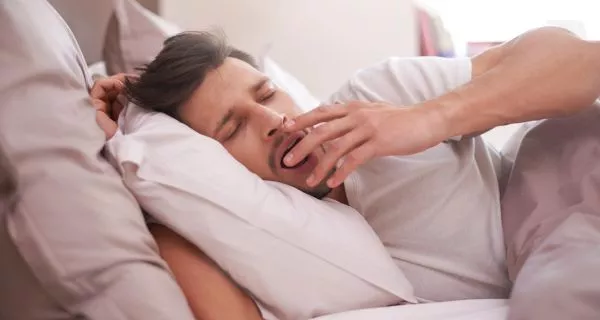
While you sleep, your mouth slows down its natural cleaning system.
During the day, saliva constantly washes away bacteria and neutralizes acids. At night, saliva production drops, allowing bacteria to grow more easily.
This is why you may wake up with:
- morning breath
- a sticky or fuzzy feeling on your teeth
- plaque buildup along the gumline
One of the main bacteria responsible for tooth decay (Streptococcus mutans) multiplies overnight, preparing to feed on the sugars from your first meal of the day. That morning cup of coffee or glass of orange juice? It’s basically a buffet for those bacteria if you haven’t brushed yet.
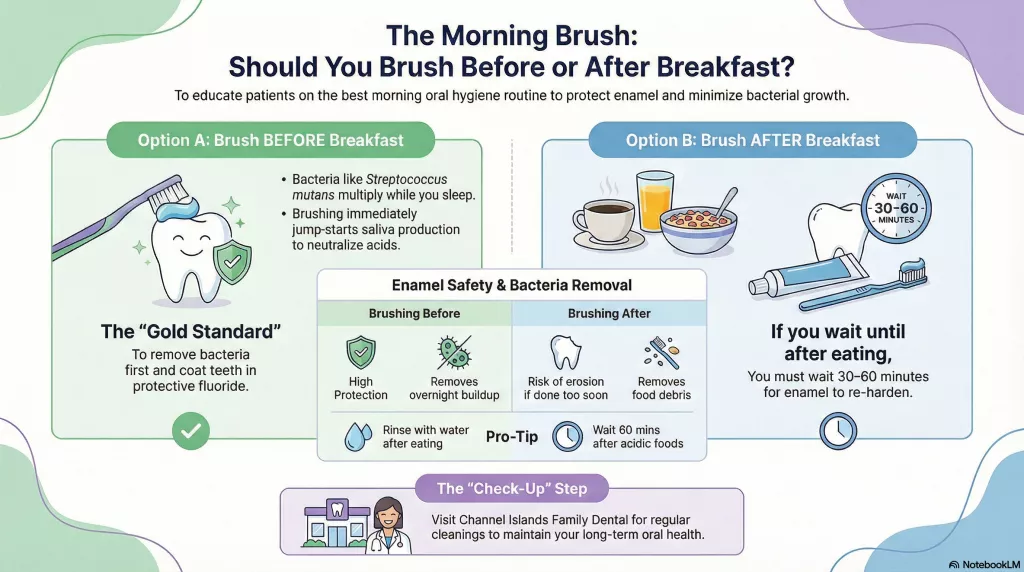
Should you brush your teeth before or after breakfast?
While both options can work if done correctly, most dentists recommend brushing before breakfast because of its benefits for enamel protection and bacterial control. Here’s why, and what to keep in mind if you prefer brushing afterward.
Why do most dentists recommend brushing before breakfast?
At Channel Islands Family Dental Office, whether you visit us in Oxnard, Ventura, Newbury Park, Port Hueneme, or Santa Paula, this is the approach we most often recommend. Here’s why:
It removes overnight bacteria right away
Brushing before breakfast sweeps away the bacterial buildup that accumulated while you slept. You start your day with a cleaner, fresher mouth, and those bacteria don’t get the chance to react with your breakfast.
It protects your enamel
When you eat acidic foods, think orange juice, grapefruit, coffee, or yogurt, the acids temporarily soften your tooth enamel.
- Brushing with fluoride toothpaste before you eat creates a protective layer on your teeth before those acids arrive.
- According to information from Healthline, this is one of the key benefits of brushing first thing in the morning.
It wakes up your saliva
Brushing stimulates saliva production. And saliva is your mouth’s natural defense, it neutralizes acids, washes away food particles, and helps with digestion. Starting breakfast with an already-active saliva flow is a win for your whole mouth.
Is it okay to brush after breakfast?
Yes, but brushing teeth timing really matters.
If brushing before breakfast just doesn’t fit your routine, that’s okay. Life gets busy, especially in the mornings. Just follow these important guidelines:
- Don’t brush immediately after eating: Especially if you consumed acidic foods or drinks like citrus fruits, juice, coffee, or soda.
- Understand why timing matters: According to Mayo Clinic and Colgate, acidic foods temporarily soften tooth enamel. Brushing while enamel is in this weakened state can wear it down faster, leading to sensitivity and long-term damage.
The recommendation? Wait at least 30–60 minutes after eating before brushing, this allows your saliva to naturally neutralize acids and help your enamel reharden.
What should you always do for a healthy smile?

Whether you brush teeth before or after breakfast, there are some essential habits every dentist agrees on. These steps protect your enamel, reduce bacteria, and support long-term oral health:
- Brush twice a day: once in the morning, once before bed, and don’t skip the nighttime brushing.
- Prioritize brushing before bed: According to the NHS, the most important brushing of the day is the one before sleep. Overnight, bacteria have hours to feed on leftover food particles and sugars, increasing the risk of decay.
- Use fluoride toothpaste: Fluoride helps strengthen and remineralize enamel, making it more resistant to acid attacks.
- Brush for at least 2 minutes: Yes, the full two minutes matter to thoroughly clean all surfaces.
- Use a soft-bristled toothbrush: Harder bristles aren’t better, they can irritate your gums and contribute to enamel wear.
- Floss every day: Brushing alone misses about 40% of your tooth surfaces, especially between teeth where plaque easily builds up.
- If brushing after breakfast, protect your enamel first
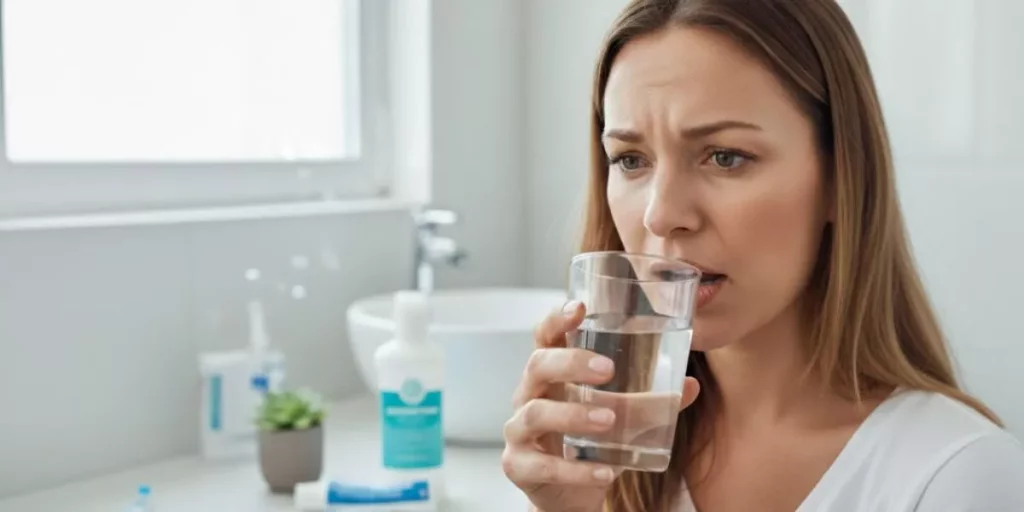
- Rinse with water immediately after eating to help dilute acids.
- Chew sugar-free gum to stimulate saliva and neutralize acids naturally.
- Wait 30–60 minutes before brushing to allow enamel to reharden.
If you have questions about your routine, our team at Channel Islands Family Dental Office is here to help you keep your smile healthy right here in Ventura County.
What are two simple morning routines that work?
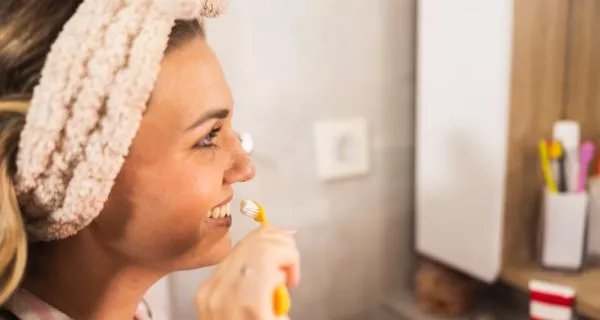
Not sure which approach suits you? Here are two practical options:
Option 1: brush first, then eat
- Wake up
- Brush your teeth for 2 minutes with fluoride toothpaste
- Have breakfast
- Rinse your mouth with water when you’re done
Option 2: eat first, then brush
- Wake up and have breakfast
- Rinse your mouth with water right after eating
- Wait 30–60 minutes
- Brush your teeth for 2 minutes with fluoride toothpaste
Both routines support healthy teeth and enamel, what matters most is brushing properly and doing it every day.
Keep your smile healthy in Ventura County
Whether you brush teeth before or after breakfast, the most important thing is brushing every morning and night.
At Channel Islands Family Dental Office, we help patients in Oxnard, Ventura, Newbury Park, Port Hueneme and Santa Paula build routines that work. Have questions about your morning routine or your next checkup? Call us or visit your nearest location today, your smile is worth it!
This article is for educational purposes. For personalized dental advice, please consult one of our dental professionals at Channel Islands Family Dental Office.