Last Updated on: 10th April 2026, 08:28 am
What is a tooth extraction?

A tooth extraction is a dental procedure in which a tooth is removed from its socket in the jawbone. You might need one because of a broken tooth that cannot be saved, a severe infection (abscess), tooth decay that has gone too far, overcrowding before orthodontic treatment, or the removal of wisdom teeth.
There are two main types:
- Simple extraction: Your dentist loosens and removes a tooth that is fully visible in your mouth. This is done under local anesthesia and usually takes just a few minutes.
- Surgical extraction: Used for teeth that are broken below the gum line, impacted (like wisdom teeth), or haven’t fully come in. The dentist or oral surgeon makes a small cut in the gum to access the tooth.
Regardless of which type of extraction you have, the recovery steps are the same, and avoiding alcohol is one of the most important ones.
Why healing matters more than you think
After your tooth is pulled, your body immediately starts repairing the empty socket. The very first thing that needs to happen is the formation of a blood clot. Think of this clot as a natural bandage that protects the exposed bone and nerve endings underneath.
This clot is fragile. Many everyday actions, drinking through a straw, vigorous rinsing, smoking, and yes, drinking alcohol, can dislodge it or prevent it from forming correctly.
Dry socket typically appears 1–3 days after an extraction and requires a follow-up dental visit for treatment.
What alcohol does to your body after an extraction
After a tooth extraction, your body immediately begins working to heal the area. One of the first and most important steps is forming a blood clot in the empty socket where the tooth used to be. This clot acts like a natural bandage that protects the bone and nerves underneath while the tissue heals.
Drinking alcohol during this time can interfere with several parts of the healing process.
1. Alcohol makes it harder for your blood to clot
Alcohol can act as a blood thinner. This means your blood may not clot as easily as it should.
- After a tooth extraction, a stable blood clot is essential. If the clot cannot form properly, or if it becomes unstable, the socket may continue to bleed longer than normal. In some cases, the clot may dissolve or fall out too early.
- When this happens, the bone and nerves become exposed. This condition is called dry socket, and it can cause severe pain that may spread to the ear, jaw, or neck.
2. Alcohol dries out your mouth
Saliva plays an important role in healing inside the mouth.
- It helps keep the extraction site moist, washes away bacteria, and contains natural substances that help tissues repair themselves.
- Alcohol is a diuretic, which means it causes your body to lose water and become dehydrated. When your body is dehydrated, your mouth produces less saliva.
- Less saliva means a dry mouth, and a dry mouth heals more slowly. Without enough saliva, the socket is also more vulnerable to bacteria and infection.
Studies using sialometry (saliva measurement) confirm that people who regularly consume alcohol show lower saliva flow rates and altered oral pH compared to non-drinkers.
3. Alcohol weakens your immune system
Your immune system is responsible for protecting the wound and repairing the damaged tissue.
- After an extraction, your body sends white blood cells to the area to fight bacteria and clean the wound.
- Alcohol can weaken the function of these immune cells. When your immune system is not working at full strength, your body has a harder time fighting infection and healing the extraction site.
Alcohol can also interfere with the production of collagen, which is the protein your body uses to build new tissue. Without enough collagen, the healing process becomes slower and the new tissue may be weaker.
4. Alcohol increases bleeding risk
- Alcohol can also widen blood vessels and thin the blood. Because of this, the extraction site may start bleeding again even hours after the dental procedure.
- If the socket begins bleeding again, it can delay healing and increase the chance of complications such as infection or dry socket.
For all these reasons, dentists recommend avoiding alcohol for several days while your mouth is healing.
Alcohol and your medications: a dangerous mix
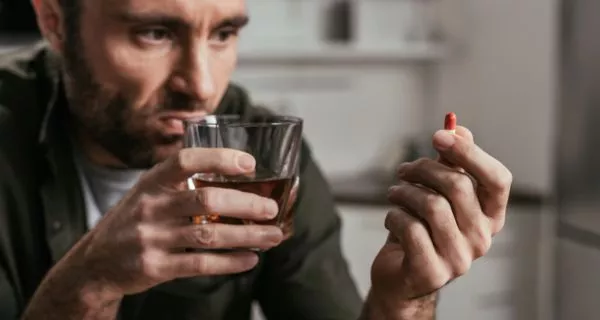
After most tooth extractions, your dentist will prescribe or recommend pain relievers, and sometimes antibiotics. Mixing alcohol with these medications can be dangerous.
- Ibuprofen / NSAIDs: Alcohol increases the risk of stomach irritation, ulcers, and gastrointestinal bleeding.
- Acetaminophen (Tylenol): Combining with alcohol puts serious strain on your liver.
- Opioid pain relievers: The combination can cause dangerous sedation, slowed breathing, and even life-threatening CNS depression.
- Antibiotics (especially metronidazole/Flagyl): This is particularly important. Mixing metronidazole with alcohol causes a severe reaction including nausea, vomiting, rapid heart rate, and chest pain. You must avoid alcohol during the entire antibiotic course and at least 72 hours after the final dose.
How long should you wait?
The question we hear most often at our Channel Islands Family Dental offices in Ventura, Oxnard, Newbury Park, Port Hueneme, and Santa Paula is: “How long do I actually need to wait?”
Here is a clear guideline:
- Minimum 72 hours (3 days): The ADA recommends waiting at least 24 hours, though most oral surgeons and dental professionals say 72 hours is the true minimum for basic clot stability.
- 7–10 days: This is what most dentists recommend for full initial healing. By this point, granulation tissue (new soft tissue) has begun to replace the clot.
- Until you’re off medications: Never drink alcohol while taking prescription pain medications or antibiotics. Wait until your full medication course is finished.
- Wisdom teeth or surgical extractions: These involve more tissue and bone. You may need to wait 10–14 days or follow your surgeon’s specific instructions.
What you CAN drink during recovery

Recovery doesn’t have to be boring. Here are safe drink choices that actually support healing:
- Water: The best choice. Keeps you hydrated, promotes saliva, flushes bacteria.
- Electrolyte drinks (no carbonation): Help rehydrate if you feel drained.
- Cool herbal teas (non-caffeinated): Soothing and anti-inflammatory.
- Smoothies (no straw!): Use a spoon instead to avoid suction that can dislodge the clot.
- Lukewarm broths: Nourishing and easy on the socket.
Avoid: Hot beverages, carbonated drinks, acidic juices, and anything with alcohol, including alcohol-containing mouthwashes.
Signs You Need to Call Your Dentist
Contact your Channel Islands Family Dental office right away if you notice any of the following after your extraction:
- Severe, throbbing pain that gets worse 2–3 days after the procedure (possible dry socket)
- Bleeding that does not slow down after 3–4 hours of gentle gauze pressure
- Swelling, fever, or a bad taste/odor from the socket (possible infection)
- Pain spreading to your ear, jaw, or neck
- Any concern that something does not feel right
Our team is here to help across all five locations:
⚠ Disclaimer: This article is for informational purposes only. Please consult your dentist for personalized post-extraction care guidance.