Last Updated on: 5th May 2026, 10:10 am
If your teeth have felt more sensitive, sore, or just “off” since you became pregnant, you are not imagining it. Pregnancy brings real, physiological changes to the oral cavity, and tooth pain is one of the most common dental complaints we hear from expecting patients at Channel Islands Family Dental offices across Ventura County.
It is completely natural to feel concerned about any discomfort during these nine months. The good news is that most cases of tooth pain during pregnancy are common and typically resolve after delivery. However, understanding exactly what is causing these changes is the first step toward managing them effectively.
The connection between your oral health and your baby’s

Beyond your own comfort, maintaining optimal oral health is vital for your baby’s well-being. Through blood circulation, there is a deep, ongoing connection between mother and child; essentially, anything that benefits or impacts your health also influences your baby.
In this article, we will explore the most frequent causes of tooth pain during pregnancy and guide you on when it is time to schedule a visit with your dentist.
Why does tooth pain happen during pregnancy?
Pregnancy brings significant changes to your body, and your mouth is no exception. At Channel Islands Family Dental, we often explain to our patients across Ventura County that several factors work together to cause tooth sensitivity and discomfort. Here are the most common reasons why this happens:
Hormones change how your gums respond
During pregnancy, your levels of estrogen and progesterone rise significantly. According to the American Dental Association (ADA), these hormones make your gums react more intensely to plaque bacteria.
- Pregnancy gingivitis: This affects up to 75% of pregnant women. It often starts in the first trimester, causing red, swollen, or bleeding gums.
- Pregnancy tumors: In some cases, poor hygiene can lead to a “pregnancy granuloma”, a localized, non-cancerous growth on the gums that can be painful. These usually disappear after delivery, but they require professional care to manage.
Morning sickness can weaken your enamel

Frequent vomiting exposes your teeth to harsh stomach acids. Over time, this acid wears down your protective enamel, a process called dental erosion. Once the enamel thins, your teeth become much more sensitive to hot, cold, or sugary foods.
Pro tip:
- Never brush immediately after vomiting. The acid softens your enamel, and brushing right away can cause more damage.
- Rinse your mouth with water or a fluoride mouthwash, and wait at least 30 minutes before brushing.
Cravings and diet changes
Pregnancy cravings often lean toward carbohydrates and sweets.
- Snacking more frequently feeds the bacteria that cause cavities.
- When you combine frequent snacking with enamel that has been weakened by stomach acid, your risk of developing new cavities increases.
Reduced saliva flow (dry mouth)
Hormonal shifts and certain prenatal vitamins can reduce your saliva flow.
- Saliva is essential because it neutralizes acids and protects your teeth.
- Without enough saliva, you are more susceptible to both gum inflammation and tooth decay.
While these are the most common causes, it is important to remember that pregnancy is not a direct cause of cavities. However, the combination of a changing diet, morning sickness, and hormonal gum sensitivity creates an environment where dental issues can progress faster.
If you are experiencing pain, swelling, or tooth mobility, it is time to visit your dentist to ensure your oral health remains on track.
Is it safe to go to the dentist while pregnant?
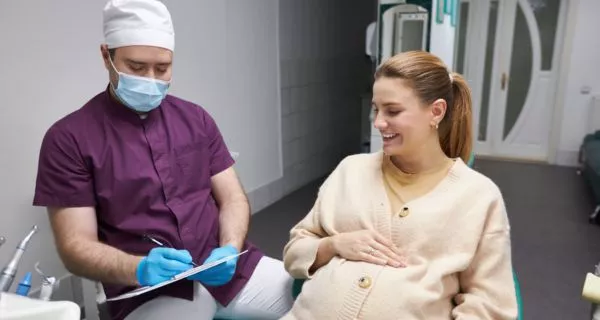
Yes, it is not only safe, but it is also strongly recommended. Both the American Dental Association (ADA) and the American Congress of Obstetricians and Gynecologists advise that expecting mothers maintain regular dental visits throughout their pregnancy.
Neglecting oral health can lead to infections that impact your overall well-being and, in some cases, have been linked to potential pregnancy complications.
At Channel Islands Family Dental, we have extensive experience in providing safe, comfortable care for our patients across Ventura County.
Our approach to your care
We prioritize the health of both you and your baby. Here is how we manage dental care throughout your pregnancy:
- Routine care: Cleanings and checkups are completely safe and highly recommended during all three trimesters.
- Emergency treatment: If you are dealing with a dental infection or severe pain, please do not wait. Emergency work can and should be performed at any stage of pregnancy to prevent the spread of infection.
- Elective procedures: If you require non-urgent (elective) dental work, we generally recommend scheduling these procedures during the second trimester for your maximum comfort.
- Safe diagnostics: Dental X-rays can be performed when necessary. We use proper lead-apron shielding, and the radiation exposure is minimal and safe.
Important reminders for your visit
- Communication is key: Always inform our team that you are pregnant and let us know how many weeks along you are when you book your appointment.
- Don’t ignore symptoms: If you are experiencing persistent soreness, bleeding gums, or sensitivity that makes it difficult to eat, please reach out to us right away. Early intervention is the best way to maintain a healthy smile for you and your baby.
How to manage tooth pain during pregnancy at home
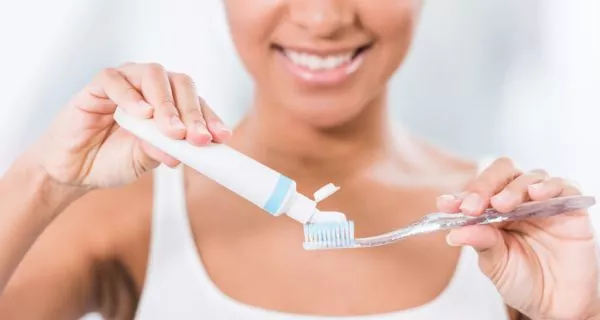
While you wait for your dental appointment, here are a few safe steps you can take:
- Rinse with warm salt water: This helps reduce gum inflammation and is completely safe during pregnancy.
- Use a soft-bristle toothbrush: Gentle brushing with a small-head toothbrush helps clean effectively without irritating sore gums.
- Use fluoride toothpaste: Choose a toothpaste with at least 1,100 ppm of fluoride to strengthen enamel.
- Avoid very hot, cold, or sweet foods: These can aggravate sensitive teeth.
- Rinse after vomiting: Use fluoride mouthwash and wait before brushing.
Disclaimer: This article is for informational purposes. Please consult your dentist for personalized care during pregnancy.
Book an Appointment at Channel Islands Family Dental
You deserve comfortable, worry-free dental care throughout your pregnancy. Our team at Channel Islands Family Dental serves expecting patients at all our Ventura County locations:
- Oxnard: 2379 N Oxnard Blvd | (805) 342-1100
- Ventura: 5700 Ralston St #203 | (805) 465-9414
- Port Hueneme: 2601 N Ventura Rd | (805) 985-6966
- Santa Paula: 248 W Harvard Blvd Suite B | (805) 525-1573
- Newbury Park: 1620 Newbury Rd Suite 5 | (805) 410-5151
Call us or book your appointment online today. We accept most major dental insurance plans, Medi-Cal, Denti-Cal, and Gold Coast Health Plan.