Last Updated on: 16th February 2026, 10:30 am
Disclaimer: This article is for informational purposes only and should not replace professional medical advice. Always consult your dentist for a proper diagnosis and treatment plan.
Dental infections affect many people and can cause pain and swelling. While traditional antibiotics are still the main treatment, natural antibiotics are gaining recognition as a safe complementary approach to relieve symptoms.
For residents of Ventura County, Channel Islands Family Dental Office offers specialized care at our locations in Oxnard, Newbury Park, Port Hueneme, Santa Paula, and Ventura, integrating these natural approaches into a full and personalized dental treatment plan.
What causes dental infections?

Dental infections occur when bacteria grow inside a tooth or the gums. This can happen due to:
- Untreated cavities: They allow bacteria to enter the tooth.
- Advanced periodontal disease: Affects the structures that hold teeth in place.
- Dental trauma: Cracks or impacts that expose the dental pulp.
- Foreign objects: Items lodged in the gums that create infection.
How do you know if you have a dental infection?
Detecting symptoms early helps prevent complications and allows dentists at Channel Islands Family Dental Office to provide appropriate treatment. Watch for:
- Severe tooth pain or sensitivity
- Persistent gum bleeding
- Fever
- Visible swelling in the jaw or cheeks
Acting promptly is crucial. Early care can prevent the infection from spreading to other areas of the mouth or even the body, allow less invasive treatment, and ensure that any complementary approach, such as natural antibiotics, is used safely under professional supervision.
What natural antibiotics to ward off any dental infection can help?

Natural antibiotics can be a great support for dental care but should never replace professional treatment. They work best alongside traditional antibiotics and professional dental procedures.
Here are some of the most effective natural antibiotics to ward off any dental infection, ideal to use with professional care from Channel Islands Family Dental Office.
Which essential oils help with dental infections?
Essential oils are concentrated plant extracts that have natural antibacterial, anti-inflammatory, and pain-relieving properties. They can be a helpful addition to professional dental care, easing symptoms such as pain, swelling, and discomfort while supporting oral health.
Cinnamon oil
Cinnamon oil contains cinnamaldehyde, a compound that destroys bacterial cell walls and has antifungal properties. It can also help with oral candidiasis.
How to use: Dilute in water and use as a gentle mouth rinse.
Oregano oil
Oregano oil is rich in carvacrol and thymol, powerful compounds with antibacterial, antifungal, and antiviral effects. Research shows that it can fight many types of bacteria, including those that cause dental infections.
How to use: Mix a few drops with a carrier oil and apply carefully to the affected area.
Peppermint oil
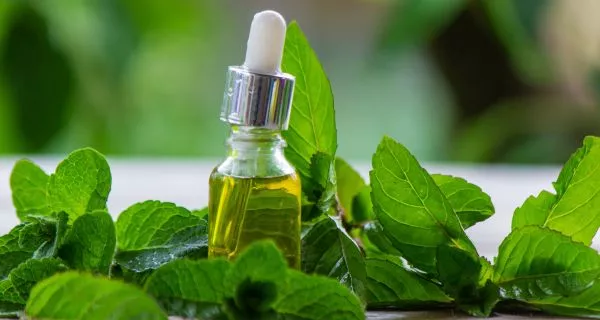
The menthol in peppermint oil not only helps freshen breath but also acts as a natural pain reliever and antibacterial agent. Studies show it can reduce tooth pain and inhibit bacterial growth.
How to use: Place 1–2 drops on a cotton ball and gently apply to the affected tooth or gum.
Tea tree oil
Tea tree oil contains terpinen-4-ol, a compound widely studied for its antibacterial and antifungal properties. It can be effective against bacteria and fungi, including those causing oral thrush.
How to use: Dilute with a carrier oil and apply with a cotton swab to the affected area.
Clove oil
Clove oil is known for its analgesic properties due to eugenol, which can help numb pain while fighting bacteria. It is a traditional remedy for toothache relief and can also freshen breath.
How to use: Apply a small amount on a cotton ball and place it on the affected area.
What other natural antibiotics to ward off any dental infection can help?
Many natural plants, extracts, and compounds can complement professional care by reducing inflammation, fighting bacteria, and promoting healing.
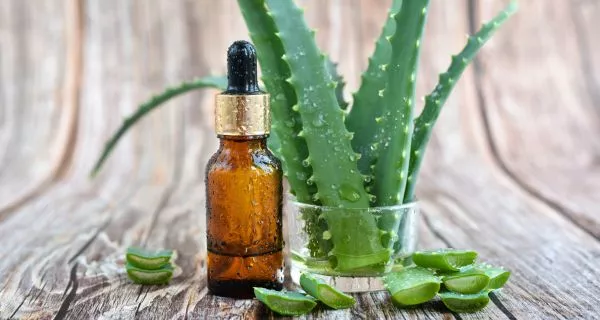
Aloe vera is antibacterial and anti-inflammatory, and it helps wounds and ulcers heal faster.
How to use: Apply cold gel directly to the affected area.
- Chamomile
Chamomile has anti-inflammatory effects similar to common antiseptics and a mild calming effect that may relieve stress-related dental discomfort.
How to use: Prepare a strong chamomile tea and use it as a soothing mouth rinse.
Garlic contains allicin, which has potent antibacterial, antifungal, and antiviral properties. Allicin can disrupt bacterial biofilm and help eliminate infections. Some studies even show it may be as effective as certain antibiotics.
How to use: Crush a clove of garlic and apply the paste to the affected area.
- Grapefruit Seed Extract
This extract is rich in vitamin C and flavonoids, which can fight a wide range of bacteria and fungi, including Candida.
How to use: Dilute 20 drops in half a glass of water and use as a mouth rinse.
- Fenugreek (Herbal Tea)
Fenugreek has anti-inflammatory and healing properties, reducing swelling and promoting recovery. It also has digestive benefits.
How to use: Make a strong tea and rinse your mouth with it.

Hydrogen peroxide is a widely studied antiseptic that can kill bacteria and help prevent plaque buildup.
How to use: Dilute 1:1 with warm water and rinse.
Caution: Do not overuse, as it can damage tooth enamel.
- Licorice Root
Licorice contains compounds that inhibit bacteria responsible for dental infections and reduce inflammation.
How to use: Chew a small piece or use it as a mouth rinse.
- Olive Leaf
Olive leaf extract contains oleuropein, which has antimicrobial properties. Studies show it can fight bacteria and fungi, including those causing oral infections, and it also supports heart health.
How to use: Use as a mouth rinse or in capsules according to instructions.
- Onion
Onions are rich in sulfur compounds that are antibacterial and anti-inflammatory. They also have antioxidants that support healing.
How to use: Chew a raw piece or apply onion juice to the affected area.
- Turmeric
Turmeric contains curcumin, which has anti-inflammatory, antibacterial, and antioxidant effects. It can reduce inflammation and fight infection naturally.
How to use: Make a paste with water and apply directly to the affected area.
These natural remedies are complementary and should never replace professional dental care. Always consult a dentist for proper diagnosis and treatment.
Are natural antibiotics to ward off any dental infection effective?
The use of natural antibiotics represents a significant advancement in holistic dental care, offering options for patients allergic to traditional medications or preferring alternative treatments. However, they should never replace professional care.
If you live in Oxnard, Newbury Park, Port Hueneme, Santa Paula, and Ventura, the safest approach is to visit Channel Islands Family Dental Office. A professional dentist can:
- Confirm which natural remedies are safe for your case
- Ensure the infection is properly treated
- Prevent complications and fully protect your oral health
In short: Natural antibiotics can help, but professional guidance is key to maintaining oral health and receiving safe, effective treatment.